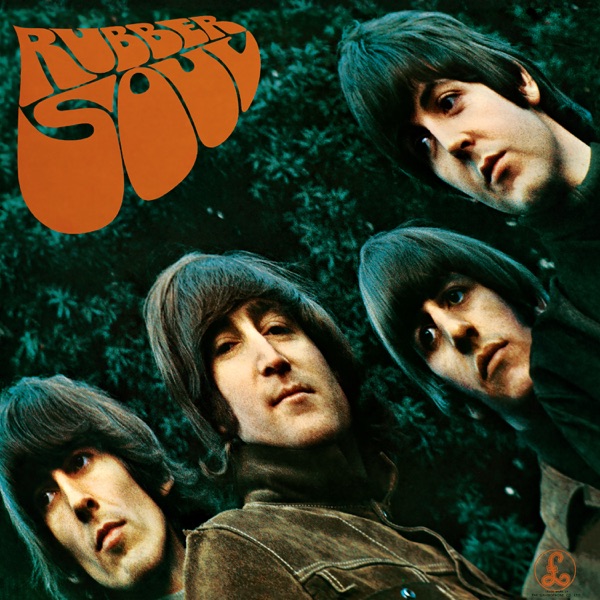
In My Life
The Beatles · Rubber Soul
A nostalgic, faithful love song that honors memory without clinging to it
Where the words land
Signal: Edifying.
What do these signals mean?
- Edifying: Points the heart toward God, truth, hope, or love.
- Worth Weighing: Real good and real concern together. Test it before you take it in.
- Strained: Strains against Scripture: leans toward what could dull or mislead.
- At Odds: At odds with Scripture: celebrates what it warns against. Little here builds up.
Weighed against Scripture
“Some are dead and some are living”
“To everything there is a season, and a time for every purpose under heaven: a time to be born and a time to die, a time to plant and a time to uproot,”
The song's acceptance of loss and change alongside memory mirrors this wisdom that there is a time for everything, including death and life.
“There is no one compares with you”
“Like an apple tree among the trees of the forest is my beloved among the young men. I delight to sit in his shade, and his fruit is sweet to my taste.”
The singling out of one beloved above all others echoes the exclusive, treasuring language of devoted love found here.
The song as a whole
“Love is patient, love is kind. It does not envy, it does not boast, it is not proud. It is not rude, it is not self-seeking, it is not easily angered, it keeps no account of wrongs. Love takes no pleasure in evil, but rejoices in the truth. It bears all things, believes all things, hopes all things, endures all things.”
Love that keeps its warmth for the past while still growing toward someone new reflects the patient, enduring quality praised in this passage.
In short
This is a tender look back at a life's worth of people and places, held without bitterness even where things changed or ended. The singer doesn't discard the past to love someone new; instead the new love deepens the meaning of everything before it. It's a song about fidelity of heart, treating memory and present love as compatible rather than competing.
- Spiritual posture
The song reaches toward gratitude and faithful love, but stays horizontal, focused on memory and human relationship rather than anything beyond it.
What do these ratings mean?
- Lyrical content, what the words say on the surface. Clean: nothing coarse, sexual or violent. Mild: a trace of it, by allusion or a rare word. Strong: profanity, sex or violence in plain words. Explicit: graphic, or sin held up to admire.
- Spiritual posture, where the song's heart points. God-honoring: toward God, truth or hope. Searching: honestly reaching or wrestling toward truth, without arriving. Neutral: spiritually indifferent; neither reaches nor rejects. Dark: despairing, nihilistic, self-exalting or hostile to God.
- Apparent intent, what the song is for. Edifying: worship, encouragement, honest lament. Cathartic: letting grief, anger or longing out, told honestly. Ambiguous: hard to say what the song is for. Harmful: celebrates evil, mocks faith or draws toward sin.
Does your own capacity to love grow by remembering well, or does nostalgia ever compete with the people in front of you now?
An AI-assisted reading. It can misread a lyric, a metaphor or a song’s intent.