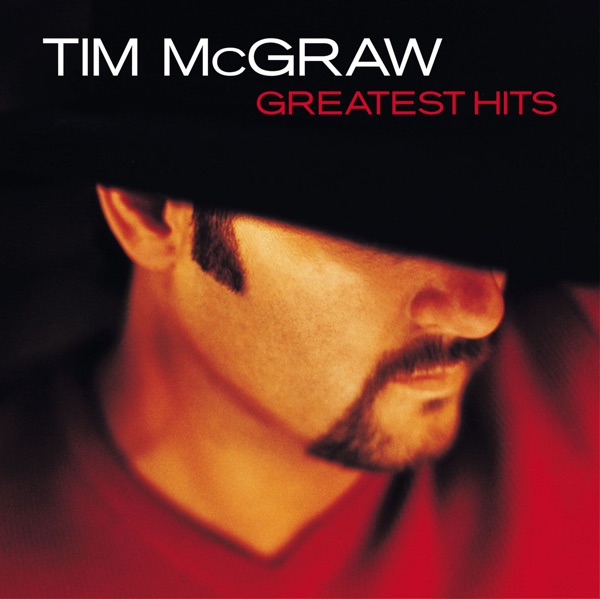
Indian Outlaw
Tim McGraw · Greatest Hits
Fun hook, but built on reducing a culture to costume and punchline.
Where the words land
Signal: Strained, leaning worth weighing.
What do these signals mean?
- Edifying: Points the heart toward God, truth, hope, or love.
- Worth Weighing: Real good and real concern together. Test it before you take it in.
- Strained: Strains against Scripture: leans toward what could dull or mislead.
- At Odds: At odds with Scripture: celebrates what it warns against. Little here builds up.
Weighed against Scripture
“Half Cherokee and Choctaw”
“So God created man in His own image; in the image of God He created him; male and female He created them.”
Reducing an entire people's heritage to a punchline for a party song stands against the dignity Scripture gives every image-bearer, regardless of ethnicity.
The song as a whole
“Flee from sexual immorality. Every other sin a man can commit is outside his body, but he who sins sexually sins against his own body. Do you not know that your body is a temple of the Holy Spirit who is in you, whom you have received from God? You are not your own; you were bought at a price. Therefore glorify God with your body.”
The boastful, flirtatious bravado here treats the body as a spectacle for conquest rather than something to be honored.
My brothers, as you hold out your faith in our glorious Lord Jesus Christ, do not show favoritism. Suppose a man comes into your meeting wearing a gold ring and fine clothes, and a poor man in shabby clothes also comes in. If you lavish attention on the man in fine clothes and say, “Here is a seat of honor,” but say to the poor man, “You must stand” or “Sit at my feet,” have you not discriminated among yourselves and become judges with evil thoughts?
The song's playful stereotyping of a whole culture runs counter to Scripture's call to show no partiality and treat every group with equal honor.
In short
This is a catchy, upbeat country novelty song built around romanticized and stereotyped imagery of Native American culture. It's not malicious in intent, more playful mischief than hostility, but the caricatures (tom-toms, wigwams, 'buffalo briefs') reduce real heritage and identity to punchlines. There's little spiritual substance here either way; it's mostly good-time bravado and flirtation.
- Lyrical content
No profanity or explicit content, but the song trades in caricature imagery (tom-toms, wigwams, buffalo briefs) for novelty effect.
- Spiritual posture
Lighthearted party-song posture with no real reach toward or away from God; it's mostly surface-level bravado and romance.
- Apparent intent
Despite being catchy fun, the song leans on reductive Native American stereotypes for entertainment, which can be degrading even if unintentional.
What do these ratings mean?
- Lyrical content, what the words say on the surface. Clean: nothing coarse, sexual or violent. Mild: a trace of it, by allusion or a rare word. Strong: profanity, sex or violence in plain words. Explicit: graphic, or sin held up to admire.
- Spiritual posture, where the song's heart points. God-honoring: toward God, truth or hope. Searching: honestly reaching or wrestling toward truth, without arriving. Neutral: spiritually indifferent; neither reaches nor rejects. Dark: despairing, nihilistic, self-exalting or hostile to God.
- Apparent intent, what the song is for. Edifying: worship, encouragement, honest lament. Cathartic: letting grief, anger or longing out, told honestly. Ambiguous: hard to say what the song is for. Harmful: celebrates evil, mocks faith or draws toward sin.
Does the fun of the song outweigh what it costs the dignity of the people it's imitating for laughs?
An AI-assisted reading. It can misread a lyric, a metaphor or a song’s intent.


