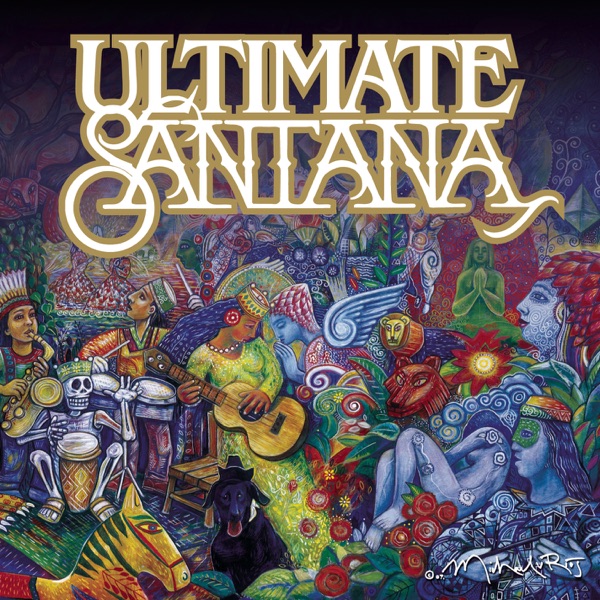
Into the Night (feat. Chad Kroeger)
Santana · Ultimate Santana
A fun dance song that borrows heaven and hell as romantic metaphor only.
Where the words land
Signal: Worth Weighing, leaning edifying.
What do these signals mean?
- Edifying: Points the heart toward God, truth, hope, or love.
- Worth Weighing: Real good and real concern together. Test it before you take it in.
- Strained: Strains against Scripture: leans toward what could dull or mislead.
- At Odds: At odds with Scripture: celebrates what it warns against. Little here builds up.
Weighed against Scripture
“It was love from above that could save me from hell”
“In God alone my soul finds rest; my salvation comes from Him. He alone is my rock and my salvation. He is my fortress; I will never be shaken.”
The song casts romantic love as the rescue from darkness, but Scripture locates true salvation and rock-solid rescue in God alone.
“How the devil himself could be pulled out of me”
“Submit yourselves, then, to God. Resist the devil, and he will flee from you.”
Here deliverance from the devil comes through a woman's presence; James points instead to submitting to God and resisting evil directly.
The song as a whole
“a time to weep and a time to laugh, a time to mourn and a time to dance,”
The simple joy of dancing and losing track of time in celebration reflects the honest, God-given place for dancing and gladness in life.
In short
This is a breezy dance track about getting swept up in music and attraction, using heaven-and-hell language loosely as romantic flourish rather than real theology. There's nothing harmful here, just a celebration of a night out and a captivating person, dressed in borrowed spiritual words. It doesn't reach toward God, but it isn't hostile to Him either; it's simply about something else entirely.
- Spiritual posture
Uses heaven, hell, angels, and the devil as romantic imagery rather than genuine spiritual reflection; a woman's love is framed as salvation from darkness.
- Apparent intent
A feel-good party anthem about losing yourself in music, dance, and romantic attraction; celebration and release, not deep meaning.
What do these ratings mean?
- Lyrical content, what the words say on the surface. Clean: nothing coarse, sexual or violent. Mild: a trace of it, by allusion or a rare word. Strong: profanity, sex or violence in plain words. Explicit: graphic, or sin held up to admire.
- Spiritual posture, where the song's heart points. God-honoring: toward God, truth or hope. Searching: honestly reaching or wrestling toward truth, without arriving. Neutral: spiritually indifferent; neither reaches nor rejects. Dark: despairing, nihilistic, self-exalting or hostile to God.
- Apparent intent, what the song is for. Edifying: worship, encouragement, honest lament. Cathartic: letting grief, anger or longing out, told honestly. Ambiguous: hard to say what the song is for. Harmful: celebrates evil, mocks faith or draws toward sin.
Does the imagery of salvation and the devil in this song shape how you think about real rescue and real darkness, or is it just fun wordplay to you?
An AI-assisted reading. It can misread a lyric, a metaphor or a song’s intent.