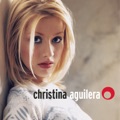
It's Over Now
112 · Part III
A gentle lament over heartbreak and broken trust, nothing more, nothing less.
Where the words land
Signal: Worth Weighing, leaning edifying.
What do these signals mean?
- Edifying: Points the heart toward God, truth, hope, or love.
- Worth Weighing: Real good and real concern together. Test it before you take it in.
- Strained: Strains against Scripture: leans toward what could dull or mislead.
- At Odds: At odds with Scripture: celebrates what it warns against. Little here builds up.
Weighed against Scripture
“Who gave you a reason to act so shady?”
“Drink water from your own cistern, and running water from your own well. Why should your springs flow in the streets, your streams of water in the public squares?”
The suspicion of wandering affection here stands against Scripture's call to guard faithfulness within committed love.
“I know you're messin' around baby”
Yet you ask, “Why?” It is because the LORD has been a witness between you and the wife of your youth, against whom you have broken faith, though she is your companion and your wife by covenant. Has not the LORD made them one, having a portion of the Spirit? And why one? Because He seeks godly offspring. So guard yourselves in your spirit and do not break faith with the wife of your youth. “For I hate divorce,” says the LORD, the God of Israel. “He who divorces his wife covers his garment with violence,” says the LORD of Hosts. So guard yourselves in your spirit and do not break faith.
Broken trust and betrayal in a relationship is exactly the covenant-breaking Scripture laments and warns against.
“I think that we should talk, talk about our problems”
Therefore each of you must put off falsehood and speak truthfully to his neighbor, for we are all members of one another. “Be angry, yet do not sin.” Do not let the sun set upon your anger,
The desire to talk honestly rather than run away from conflict reflects the call to truthful, direct communication.
“Forgot what love was all about”
“Love is patient, love is kind. It does not envy, it does not boast, it is not proud. It is not rude, it is not self-seeking, it is not easily angered, it keeps no account of wrongs. Love takes no pleasure in evil, but rejoices in the truth. It bears all things, believes all things, hopes all things, endures all things.”
The song mourns a love that didn't endure, which sharpens the contrast with Scripture's vision of patient, persevering love.
In short
This is a straightforward heartbreak song about a relationship unraveling under suspicion and emotional distance. It doesn't glorify the betrayal or wallow in despair; it mostly just aches over lost connection and wishes things had gone differently. There's no spiritual reaching here, just honest relational grief common to the genre.
- Spiritual posture
The song stays within relational heartbreak, expressing sadness and confusion but not reaching toward despair or toward any hope beyond the relationship itself.
- Apparent intent
A straightforward R&B lament over a failing relationship, meant to process hurt and betrayal rather than glorify it.
What do these ratings mean?
- Lyrical content, what the words say on the surface. Clean: nothing coarse, sexual or violent. Mild: a trace of it, by allusion or a rare word. Strong: profanity, sex or violence in plain words. Explicit: graphic, or sin held up to admire.
- Spiritual posture, where the song's heart points. God-honoring: toward God, truth or hope. Searching: honestly reaching or wrestling toward truth, without arriving. Neutral: spiritually indifferent; neither reaches nor rejects. Dark: despairing, nihilistic, self-exalting or hostile to God.
- Apparent intent, what the song is for. Edifying: worship, encouragement, honest lament. Cathartic: letting grief, anger or longing out, told honestly. Ambiguous: hard to say what the song is for. Harmful: celebrates evil, mocks faith or draws toward sin.
Does this song's honest sadness over broken trust prompt you to value faithfulness and communication in your own relationships?
An AI-assisted reading. It can misread a lyric, a metaphor or a song’s intent.