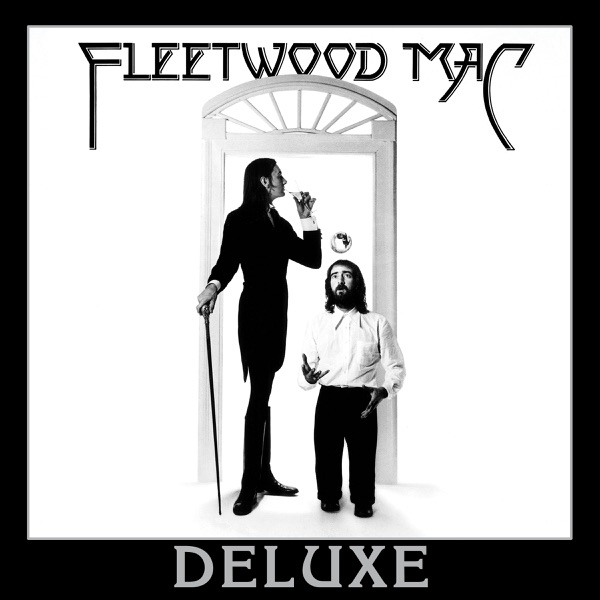
Landslide (Remastered)
Fleetwood Mac · Fleetwood Mac (Deluxe)
A tender, searching reflection on fear, change, and growing older.
Where the words land
Signal: Edifying, leaning worth weighing.
What do these signals mean?
- Edifying: Points the heart toward God, truth, hope, or love.
- Worth Weighing: Real good and real concern together. Test it before you take it in.
- Strained: Strains against Scripture: leans toward what could dull or mislead.
- At Odds: At odds with Scripture: celebrates what it warns against. Little here builds up.
Weighed against Scripture
“What is love?”
“Love is patient, love is kind. It does not envy, it does not boast, it is not proud. It is not rude, it is not self-seeking, it is not easily angered, it keeps no account of wrongs. Love takes no pleasure in evil, but rejoices in the truth. It bears all things, believes all things, hopes all things, endures all things.”
Her question opens toward the deeper definition of love Scripture gives: patient, enduring, not self-seeking, something she seems to be searching for amid uncertainty.
“Can I handle the seasons of my life?”
“To everything there is a season, and a time for every purpose under heaven:”
Her question mirrors the Preacher's acknowledgment that life moves through appointed seasons we don't control but must learn to meet.
“I've been afraid of changin”
“Do not fear, for I am with you; do not be afraid, for I am your God. I will strengthen you; I will surely help you; I will uphold you with My righteous right hand.”
Her fear of change stands against the promise that one need not fear, because God's presence steadies through transitions she faces alone in the song.
The song as a whole
“So teach us to number our days, that we may present a heart of wisdom.”
Her reflection on aging echoes the psalmist's prayer to number our days wisely, treating time's passage as something to reckon with honestly.
In short
This is a quiet meditation on fear, change, and growing older, told through the image of climbing a mountain and facing one's own reflection. It doesn't resolve into certainty, but it's honest rather than hopeless, asking real questions about love and resilience. The vulnerability here feels more like wrestling than despair.
- Spiritual posture
An honest reckoning with aging, fear, and change, asking real questions about love and self without claiming easy answers.
- Apparent intent
Written as personal reflection on a turning point in life and love; meant to process fear and growth, not to glamorize despair.
What do these ratings mean?
- Lyrical content, what the words say on the surface. Clean: nothing coarse, sexual or violent. Mild: a trace of it, by allusion or a rare word. Strong: profanity, sex or violence in plain words. Explicit: graphic, or sin held up to admire.
- Spiritual posture, where the song's heart points. God-honoring: toward God, truth or hope. Searching: honestly reaching or wrestling toward truth, without arriving. Neutral: spiritually indifferent; neither reaches nor rejects. Dark: despairing, nihilistic, self-exalting or hostile to God.
- Apparent intent, what the song is for. Edifying: worship, encouragement, honest lament. Cathartic: letting grief, anger or longing out, told honestly. Ambiguous: hard to say what the song is for. Harmful: celebrates evil, mocks faith or draws toward sin.
Where in your own life are you being asked to trust something steadier than your fear of change?
An AI-assisted reading. It can misread a lyric, a metaphor or a song’s intent.


