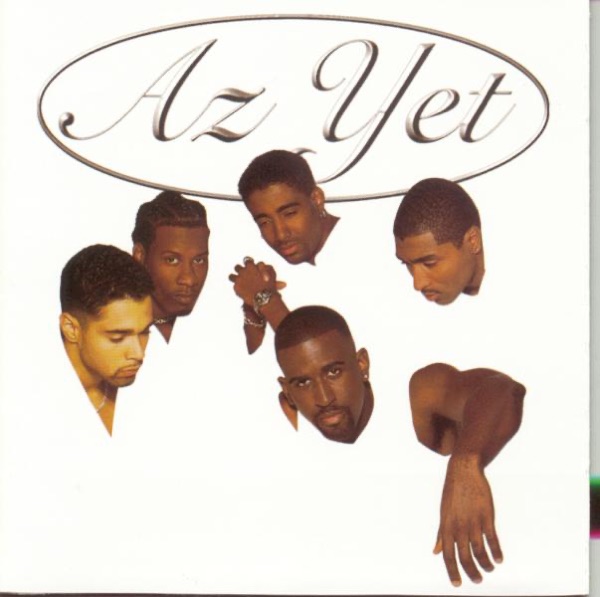
Last Night
Az Yet · Az Yet
Tender but body-only love, dressed in borrowed spiritual language.
Where the words land
Signal: Strained, leaning worth weighing.
What do these signals mean?
- Edifying: Points the heart toward God, truth, hope, or love.
- Worth Weighing: Real good and real concern together. Test it before you take it in.
- Strained: Strains against Scripture: leans toward what could dull or mislead.
- At Odds: At odds with Scripture: celebrates what it warns against. Little here builds up.
Weighed against Scripture
“As we explored your image of love”
“You have captured my heart, my sister, my bride; you have stolen my heart with one glance of your eyes, with one jewel of your neck. How delightful is your love, my sister, my bride! Your love is much better than wine, and the fragrance of your perfume than all spices.”
Scripture itself celebrates romantic and physical delight between lovers; this song's wonder at intimacy isn't inherently wrong.
“I saw Heaven when I made sweet love to you”
“Flee from sexual immorality. Every other sin a man can commit is outside his body, but he who sins sexually sins against his own body. Do you not know that your body is a temple of the Holy Spirit who is in you, whom you have received from God? You are not your own; you were bought at a price. Therefore glorify God with your body.”
The song elevates sex itself to a near-spiritual, heavenly experience with no reference to covenant or marriage, while Scripture frames sexual union as sacred within committed, bodily stewardship before God.
The song as a whole
“Marriage should be honored by all and the marriage bed kept undefiled, for God will judge the sexually immoral and adulterers.”
Calling a spontaneous encounter 'innocent' sidesteps the question of commitment that Scripture ties closely to honoring sexual intimacy.
In short
This is a smooth, sincere R&B love song about physical intimacy, using spiritual language ('Heaven,' soul-deep connection) to describe a sexual encounter. There's real tenderness and admiration here, not degradation or objectification, but the song never situates the act within any larger commitment, covenant, or deeper meaning beyond the moment's pleasure. It's more a celebration of sensation than of love in a fuller sense.
- Lyrical content
Explicit in theme though not profane in vocabulary; the song describes a sexual encounter in detailed, sensory terms.
- Spiritual posture
The song borrows language of transcendence ('Heaven,' soul, sun and moon) to describe physical intimacy, but it isn't oriented toward God, just toward romantic/sexual ecstasy.
- Apparent intent
Seems meant as a sincere, romantic celebration of intimacy between two people rather than something degrading, but it centers entirely on physical pleasure outside any stated commitment or context.
What do these ratings mean?
- Lyrical content, what the words say on the surface. Clean: nothing coarse, sexual or violent. Mild: a trace of it, by allusion or a rare word. Strong: profanity, sex or violence in plain words. Explicit: graphic, or sin held up to admire.
- Spiritual posture, where the song's heart points. God-honoring: toward God, truth or hope. Searching: honestly reaching or wrestling toward truth, without arriving. Neutral: spiritually indifferent; neither reaches nor rejects. Dark: despairing, nihilistic, self-exalting or hostile to God.
- Apparent intent, what the song is for. Edifying: worship, encouragement, honest lament. Cathartic: letting grief, anger or longing out, told honestly. Ambiguous: hard to say what the song is for. Harmful: celebrates evil, mocks faith or draws toward sin.
Does this song's picture of intimacy point toward the fuller kind of covenant love Scripture celebrates, or does it stop short at sensation alone?
An AI-assisted reading. It can misread a lyric, a metaphor or a song’s intent.


