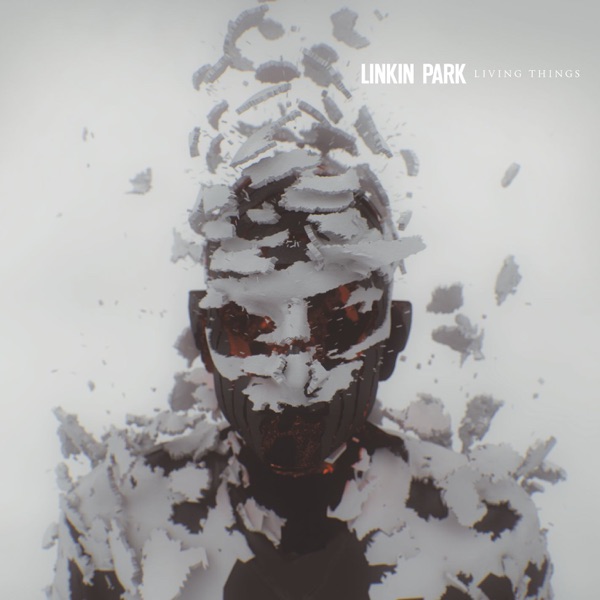
LOST IN THE ECHO
LINKIN PARK · LIVING THINGS
Defiant healing that leans entirely on self-reliance rather than grace.
Where the words land
Signal: Worth Weighing, leaning edifying.
What do these signals mean?
- Edifying: Points the heart toward God, truth, hope, or love.
- Worth Weighing: Real good and real concern together. Test it before you take it in.
- Strained: Strains against Scripture: leans toward what could dull or mislead.
- At Odds: At odds with Scripture: celebrates what it warns against. Little here builds up.
Weighed against Scripture
“This time, I finally let you go”
Do not repay anyone evil for evil. Carefully consider what is right in the eyes of everybody. If it is possible on your part, live at peace with everyone. Do not avenge yourselves, beloved, but leave room for God’s wrath. For it is written: “Vengeance is Mine; I will repay, says the Lord.”
Letting go here is framed as self-protection and strength, not the surrender of vengeance to God that Paul calls for; the impulse to move on is good, but the song roots it in self rather than trust.
“Hold myself up and love my scars”
But He said to me, “My grace is sufficient for you, for My power is perfected in weakness.” Therefore I will boast all the more gladly in my weaknesses, so that the power of Christ may rest on me. That is why, for the sake of Christ, I delight in weaknesses, in insults, in hardships, in persecutions, in difficulties. For when I am weak, then I am strong.
Paul finds strength made perfect in weakness through God's grace; this song finds strength by refusing to rely on anyone at all.
The song as a whole
“For it is not an enemy who insults me; that I could endure. It is not a foe who rises against me; from him I could hide. But it is you, a man like myself, my companion and close friend. We shared sweet fellowship together; we walked with the crowd into the house of God.”
The psalmist names the particular pain of betrayal by someone trusted, the same wound this verse describes.
“Trust in the LORD with all your heart, and lean not on your own understanding; in all your ways acknowledge Him, and He will make your paths straight.”
The song's resolve to never 'be held back or up' by anyone else stands against the call to lean not on your own understanding.
Words of Christ are set in red.
In short
This is a song about surviving betrayal by refusing to be defined by it anymore. The anger is real, and the resolve to move forward is admirable, but the strength on offer is entirely self-generated: no one and nothing outside the self is trusted to hold the speaker up. It's catharsis, not resignation or despair, but it's also not surrender to anything beyond willpower.
- Spiritual posture
The posture is self-reliant resolve rather than God-ward hope; strength is found entirely within the self, not pointed anywhere beyond it.
- Apparent intent
Written as a release from betrayal and manipulation, aimed at reclaiming identity and moving forward rather than dwelling in despair.
What do these ratings mean?
- Lyrical content, what the words say on the surface. Clean: nothing coarse, sexual or violent. Mild: a trace of it, by allusion or a rare word. Strong: profanity, sex or violence in plain words. Explicit: graphic, or sin held up to admire.
- Spiritual posture, where the song's heart points. God-honoring: toward God, truth or hope. Searching: honestly reaching or wrestling toward truth, without arriving. Neutral: spiritually indifferent; neither reaches nor rejects. Dark: despairing, nihilistic, self-exalting or hostile to God.
- Apparent intent, what the song is for. Edifying: worship, encouragement, honest lament. Cathartic: letting grief, anger or longing out, told honestly. Ambiguous: hard to say what the song is for. Harmful: celebrates evil, mocks faith or draws toward sin.
Is the strength you're building for yourself the kind that can bend, or does it need to stand entirely alone to survive?
An AI-assisted reading. It can misread a lyric, a metaphor or a song’s intent.


