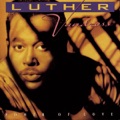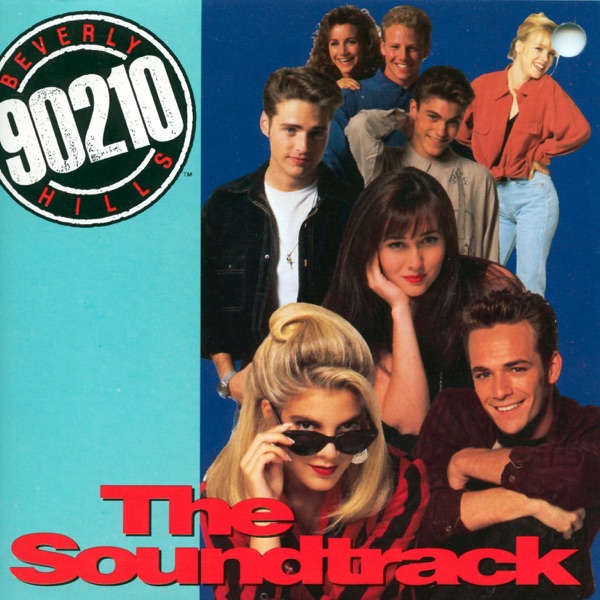
Love Is
Vanessa Williams & Brian McKnight · Beverly Hills 90210 (The Soundtrack)
A hopeful hymn to love that stops just short of naming its source.
Where the words land
Signal: Edifying, leaning worth weighing.
What do these signals mean?
- Edifying: Points the heart toward God, truth, hope, or love.
- Worth Weighing: Real good and real concern together. Test it before you take it in.
- Strained: Strains against Scripture: leans toward what could dull or mislead.
- At Odds: At odds with Scripture: celebrates what it warns against. Little here builds up.
Weighed against Scripture
“It was paradise but now it's dying”
“We know that the whole creation has been groaning together in the pains of childbirth until the present time.”
The lament over a dying world echoes creation's groaning, longing for the redemption only God ultimately supplies.
“Love lights the world, unites the lovers for eternity”
“It bears all things, believes all things, hopes all things, endures all things. Love never fails. But where there are prophecies, they will cease; where there are tongues, they will be restrained; where there is knowledge, it will be dismissed.”
Paul grounds love's endurance in God's character; here love is treated as a free-floating cosmic force rather than flowing from a personal God.
The song as a whole
“Every good and perfect gift is from above, coming down from the Father of the heavenly lights, with whom there is no change or shifting shadow.”
The song names love as gift and miracle; Scripture roots every good gift in the Father of lights, the source the lyric doesn't quite name.
“to console the mourners in Zion — to give them a crown of beauty for ashes, the oil of joy for mourning, and a garment of praise for a spirit of despair. So they will be called oaks of righteousness, the planting of the LORD, that He may be glorified.”
This mirrors the promise of beauty for ashes, love transforming sorrow into something restored.
“Whoever does not love does not know God, because God is love.”
The song nearly deifies love itself, but Scripture reminds us love has a name and source: God is love, not the reverse.
In short
This is a sincere, almost worshipful ode to love as the force that can heal a broken, 'dying' world. It never quite lands on who or what love ultimately comes from, treating it as a mysterious cosmic power rather than a Person. Still, its posture is hopeful, aching, and reaching toward redemption rather than despair.
- Spiritual posture
The song reaches toward love as a redemptive, almost transcendent force, praying for it to save a dying world, without naming its source.
What do these ratings mean?
- Lyrical content, what the words say on the surface. Clean: nothing coarse, sexual or violent. Mild: a trace of it, by allusion or a rare word. Strong: profanity, sex or violence in plain words. Explicit: graphic, or sin held up to admire.
- Spiritual posture, where the song's heart points. God-honoring: toward God, truth or hope. Searching: honestly reaching or wrestling toward truth, without arriving. Neutral: spiritually indifferent; neither reaches nor rejects. Dark: despairing, nihilistic, self-exalting or hostile to God.
- Apparent intent, what the song is for. Edifying: worship, encouragement, honest lament. Cathartic: letting grief, anger or longing out, told honestly. Ambiguous: hard to say what the song is for. Harmful: celebrates evil, mocks faith or draws toward sin.
When you hear 'love' praised like this, do you find yourself drawn further to ask who love actually is?
An AI-assisted reading. It can misread a lyric, a metaphor or a song’s intent.