Make It Happen
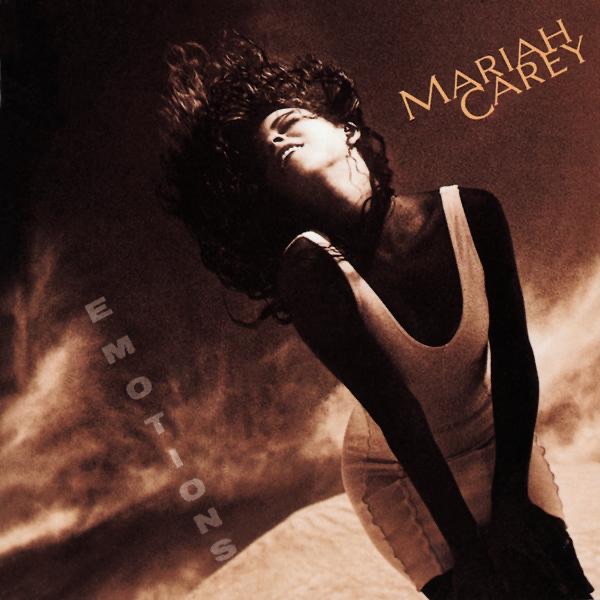
Mariah Carey · Emotions
Hardship answered by faith, gratitude, and a God who comes through.
Where the words land
Signal: Edifying.
What do these signals mean?
- Edifying: Points the heart toward God, truth, hope, or love.
- Worth Weighing: Real good and real concern together. Test it before you take it in.
- Strained: Strains against Scripture: leans toward what could dull or mislead.
- At Odds: At odds with Scripture: celebrates what it warns against. Little here builds up.
Weighed against Scripture
“I held on to my faith, I struggled and I prayed”
“Consider it pure joy, my brothers, when you encounter trials of many kinds, because you know that the testing of your faith develops perseverance. Allow perseverance to finish its work, so that you may be mature and complete, not lacking anything.”
Perseverance through trial producing endurance and maturity mirrors the song's hard-won faith.
The song as a whole
“This poor man called out, and the LORD heard him; He saved him from all his troubles.”
The song opens from a place of poverty and fear much like the psalmist's cry of distress answered by God.
“Be anxious for nothing, but in everything, by prayer and petition, with thanksgiving, present your requests to God. And the peace of God, which surpasses all understanding, will guard your hearts and your minds in Christ Jesus.”
Turning anxiety into prayer is exactly the posture urged here, with peace as the promised result.
But it was fitting to celebrate and be glad, because this brother of yours was dead and is alive again; he was lost and is found.’”
Directly echoes the language of being lost and found, the heart of the prodigal son's restoration.
“Trust in the LORD with all your heart, and lean not on your own understanding; in all your ways acknowledge Him, and He will make your paths straight.”
The song's self-belief framing sits in tension with trusting God rather than one's own understanding, even as the chorus later turns to prayer.
Words of Christ are set in red.
In short
This is Mariah Carey's own testimony of climbing out of poverty and despair, framed as both self-help anthem and prayer. The chorus blends 'believe in yourself' with 'pray to the Lord,' landing somewhere between empowerment pop and gospel gratitude. By the bridge, the self-help language gives way to a clear, humble 'thank you, Lord,' which centers the song's heart. It's an encouragement song, not a doctrinal statement, but its gratitude is sincere.
What do these ratings mean?
- Lyrical content, what the words say on the surface. Clean: nothing coarse, sexual or violent. Mild: a trace of it, by allusion or a rare word. Strong: profanity, sex or violence in plain words. Explicit: graphic, or sin held up to admire.
- Spiritual posture, where the song's heart points. God-honoring: toward God, truth or hope. Searching: honestly reaching or wrestling toward truth, without arriving. Neutral: spiritually indifferent; neither reaches nor rejects. Dark: despairing, nihilistic, self-exalting or hostile to God.
- Apparent intent, what the song is for. Edifying: worship, encouragement, honest lament. Cathartic: letting grief, anger or longing out, told honestly. Ambiguous: hard to say what the song is for. Harmful: celebrates evil, mocks faith or draws toward sin.
Does this song's mix of self-belief and prayer line up with where you place your ultimate trust?
An AI-assisted reading. It can misread a lyric, a metaphor or a song’s intent.