Misery
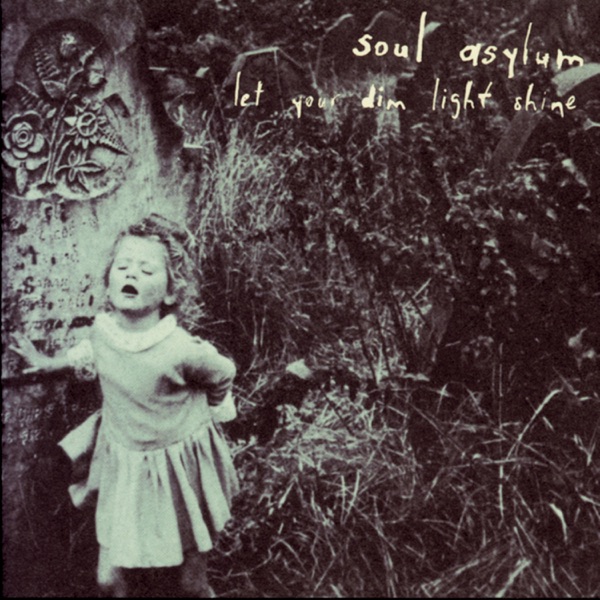
Soul Asylum · Let Your Dim Light Shine
A cynical, satirical jab at misery turned into a business model.
Where the words land
Signal: Strained, leaning worth weighing.
What do these signals mean?
- Edifying: Points the heart toward God, truth, hope, or love.
- Worth Weighing: Real good and real concern together. Test it before you take it in.
- Strained: Strains against Scripture: leans toward what could dull or mislead.
- At Odds: At odds with Scripture: celebrates what it warns against. Little here builds up.
Weighed against Scripture
“Put me outta my misery”
“If only my request were granted and God would fulfill my hope: that God would be willing to crush me, to unleash His hand and cut me off!”
Job's cry to be released from suffering mirrors the song's weary plea, though Job's words are raw lament to God, not sarcasm about commerce.
The song as a whole
“They dress the wound of My people with very little care, saying, ‘Peace, peace,’ when there is no peace at all.”
The prophet condemns false healers who claim peace where there is none; the song's industry sells fake remedies for pain it profits from.
“He who loves money is never satisfied by money, and he who loves wealth is never satisfied by income. This too is futile.”
Both the song and this verse recognize that chasing satisfaction through greed leaves people perpetually empty.
“How long, O LORD? Will You forget me forever? How long will You hide Your face from me? How long must I wrestle in my soul, with sorrow in my heart each day? How long will my enemy dominate me?”
David's lament turns toward God for rescue; this song stays in cynical observation of misery as a marketable cycle, without reaching for anyone beyond itself.
In short
This is less a personal cry of despair than a sharp, sardonic jab at how pain, fame, and suffering get packaged and sold, including by the band itself. The 'misery' here is systemic and commercial, mocking the whole machine of 'frustrated' artists and audiences feeding off each other's anguish. It doesn't offer hope, but it isn't wallowing either; it's observing with bitter irony.
- Lyrical content
No profanity, but dwells on self-destructive imagery ('put me outta my misery') and cynical commentary on suffering as commerce.
- Spiritual posture
The song frames misery as a product to manufacture and sell, suggesting people feed on each other's pain and greed without any upward look or resolution.
- Apparent intent
Reads as satire on the music/media industry's exploitation of pain and fame ('Frustrated Incorporated'), using dark humor rather than literal despair.
What do these ratings mean?
- Lyrical content, what the words say on the surface. Clean: nothing coarse, sexual or violent. Mild: a trace of it, by allusion or a rare word. Strong: profanity, sex or violence in plain words. Explicit: graphic, or sin held up to admire.
- Spiritual posture, where the song's heart points. God-honoring: toward God, truth or hope. Searching: honestly reaching or wrestling toward truth, without arriving. Neutral: spiritually indifferent; neither reaches nor rejects. Dark: despairing, nihilistic, self-exalting or hostile to God.
- Apparent intent, what the song is for. Edifying: worship, encouragement, honest lament. Cathartic: letting grief, anger or longing out, told honestly. Ambiguous: hard to say what the song is for. Harmful: celebrates evil, mocks faith or draws toward sin.
Does this song's dark satire sharpen your awareness of exploitation, or does it just leave you steeped in cynicism?
An AI-assisted reading. It can misread a lyric, a metaphor or a song’s intent.


