My All
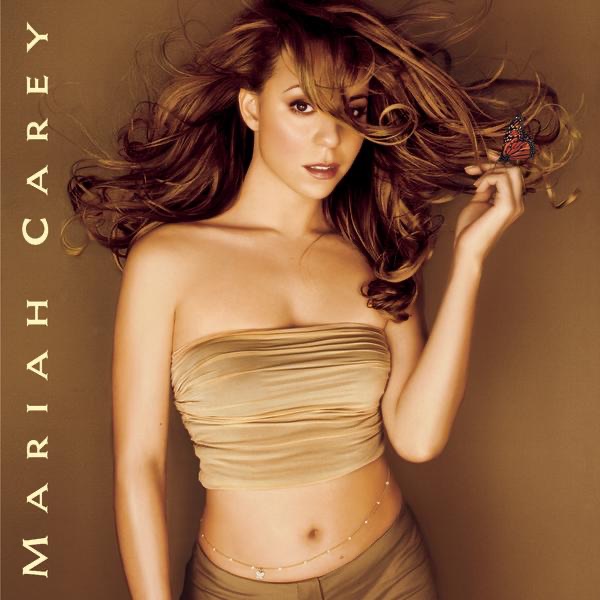
Mariah Carey · Butterfly
A tender, sensual ache for a love that's slipped away.
Where the words land
Signal: Worth Weighing, leaning edifying.
What do these signals mean?
- Edifying: Points the heart toward God, truth, hope, or love.
- Worth Weighing: Real good and real concern together. Test it before you take it in.
- Strained: Strains against Scripture: leans toward what could dull or mislead.
- At Odds: At odds with Scripture: celebrates what it warns against. Little here builds up.
Weighed against Scripture
“I'd give my all to have just one more night with you”
On my bed at night I sought the one I love; I sought him, but did not find him. I will arise now and go about the city, through the streets and squares. I will seek the one I love. So I sought him but did not find him. I encountered the watchmen on their rounds of the city: “Have you seen the one I love?” I had just passed them when I found the one I love. I held him and would not let go until I had brought him to my mother’s house, to the chamber of the one who conceived me.
The ache of searching through the night for a beloved mirrors this song's restless longing, showing desire itself isn't foreign to Scripture.
“I can't go on living in the memory of our song”
“Anything my eyes desired, I did not deny myself. I refused my heart no pleasure. For my heart took delight in all my work, and this was the reward for all my labor. Yet when I considered all the works that my hands had accomplished and what I had toiled to achieve, I found everything to be futile, a pursuit of the wind; there was nothing to be gained under the sun.”
Where the Preacher finds pleasure alone ultimately unsatisfying, this song treats one more night as the thing that would finally complete the singer, a smaller hope than what's offered.
The song as a whole
“Love is patient, love is kind. It does not envy, it does not boast, it is not proud. It is not rude, it is not self-seeking, it is not easily angered, it keeps no account of wrongs. Love takes no pleasure in evil, but rejoices in the truth. It bears all things, believes all things, hopes all things, endures all things.”
Love here is defined by patience and endurance rather than physical closeness alone; the song's longing is real but narrower than that fuller picture.
In short
This is a ballad of aching romantic desire, a woman wishing for one more night with someone who's slipped out of reach. It stays entirely within the realm of human love and longing, neither looking upward nor downward, just sitting in the ache itself. There's nothing corrosive here, just an intense, sensual expression of missing someone.
- Lyrical content
Sensual but tasteful romantic longing, no explicit language, imagery of physical closeness and desire.
- Spiritual posture
The song is wholly absorbed in romantic longing for an absent lover; it neither reaches toward God nor rejects Him, just sits in human desire and ache.
- Apparent intent
A sultry, aching love ballad about longing for someone far away, meant to express romantic devotion and yearning rather than to instruct or provoke.
What do these ratings mean?
- Lyrical content, what the words say on the surface. Clean: nothing coarse, sexual or violent. Mild: a trace of it, by allusion or a rare word. Strong: profanity, sex or violence in plain words. Explicit: graphic, or sin held up to admire.
- Spiritual posture, where the song's heart points. God-honoring: toward God, truth or hope. Searching: honestly reaching or wrestling toward truth, without arriving. Neutral: spiritually indifferent; neither reaches nor rejects. Dark: despairing, nihilistic, self-exalting or hostile to God.
- Apparent intent, what the song is for. Edifying: worship, encouragement, honest lament. Cathartic: letting grief, anger or longing out, told honestly. Ambiguous: hard to say what the song is for. Harmful: celebrates evil, mocks faith or draws toward sin.
Does this song's longing point you toward gratitude for love you have, or toward restlessness for what you don't?
An AI-assisted reading. It can misread a lyric, a metaphor or a song’s intent.