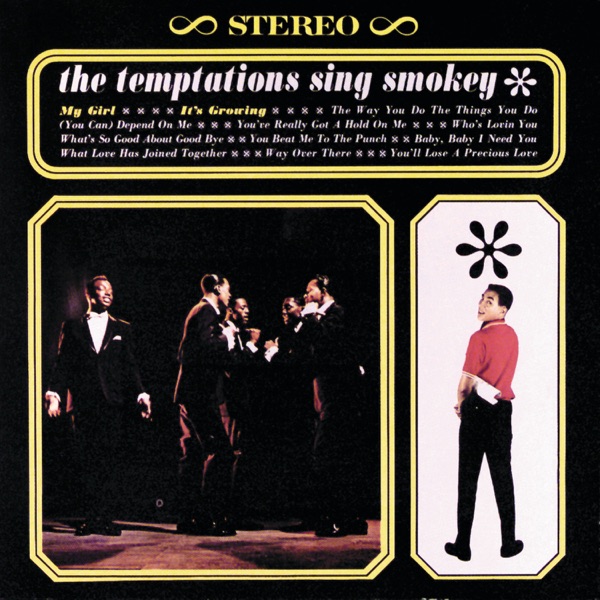
My Girl
The Temptations · The Temptations Sing Smokey
A sunny, grateful celebration of love with nothing to hide.
Where the words land
Signal: Edifying.
What do these signals mean?
- Edifying: Points the heart toward God, truth, hope, or love.
- Worth Weighing: Real good and real concern together. Test it before you take it in.
- Strained: Strains against Scripture: leans toward what could dull or mislead.
- At Odds: At odds with Scripture: celebrates what it warns against. Little here builds up.
Weighed against Scripture
“I don't need no money, fortune, or fame”
“Better a little with the fear of the LORD than great treasure with turmoil.”
The singer values love and contentment over wealth, echoing the wisdom that a little with peace outweighs riches with turmoil.
“I've got sunshine on a cloudy day”
“My beloved is mine and I am his; he pastures his flock among the lilies.”
The joy and security found in a beloved mirrors the tender delight celebrated in this love poem of Scripture.
In short
This is a joyful, uncomplicated love song about the happiness one person brings to another's life. There's no hidden darkness or agenda here, just gratitude and delight in companionship. It doesn't reach toward God explicitly, but its spirit of contentment and thankfulness is wholesome.
- Spiritual posture
Joyful and grateful in tone, but directed entirely at a romantic relationship rather than toward God or deeper reflection.
What do these ratings mean?
- Lyrical content, what the words say on the surface. Clean: nothing coarse, sexual or violent. Mild: a trace of it, by allusion or a rare word. Strong: profanity, sex or violence in plain words. Explicit: graphic, or sin held up to admire.
- Spiritual posture, where the song's heart points. God-honoring: toward God, truth or hope. Searching: honestly reaching or wrestling toward truth, without arriving. Neutral: spiritually indifferent; neither reaches nor rejects. Dark: despairing, nihilistic, self-exalting or hostile to God.
- Apparent intent, what the song is for. Edifying: worship, encouragement, honest lament. Cathartic: letting grief, anger or longing out, told honestly. Ambiguous: hard to say what the song is for. Harmful: celebrates evil, mocks faith or draws toward sin.
Does the gratitude and contentment in this song point you toward thankfulness in your own relationships and life?
An AI-assisted reading. It can misread a lyric, a metaphor or a song’s intent.


