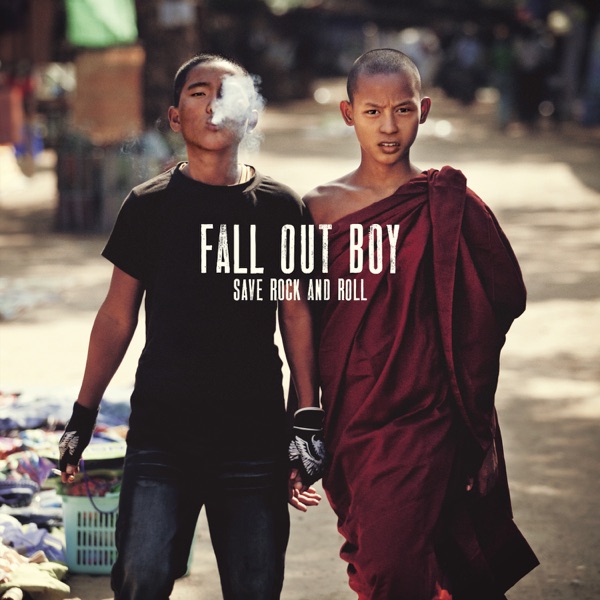
My Songs Know What You Did In The Dark (Light Em Up)
Fall Out Boy · Save Rock And Roll
Theatrical vengeance anthem with real anger but no path toward peace.
Where the words land
Signal: Strained, leaning worth weighing.
What do these signals mean?
- Edifying: Points the heart toward God, truth, hope, or love.
- Worth Weighing: Real good and real concern together. Test it before you take it in.
- Strained: Strains against Scripture: leans toward what could dull or mislead.
- At Odds: At odds with Scripture: celebrates what it warns against. Little here builds up.
Weighed against Scripture
“I'm in the deep details with the devil”
“Be angry, yet do not sin.” Do not let the sun set upon your anger, and do not give the devil a foothold.
The song embraces anger as identity and alliance, where Scripture warns against giving anger a foothold that becomes the devil's territory.
“I'm a young lover's rage”
“A fool vents all his anger, but a wise man holds it back.”
The narrator gives full vent to his rage as a badge of identity, the opposite of the restraint Proverbs commends.
“Burn everything you love, then burn the ashes”
Do not avenge yourselves, beloved, but leave room for God’s wrath. For it is written: “Vengeance is Mine; I will repay, says the Lord.”
This is a fantasy of total vengeful destruction, far from the call to leave repayment to God rather than escalate it oneself.
“My childhood spat back out the monster that you see”
“Surely I was brought forth in iniquity; I was sinful when my mother conceived me.”
There's an honest admission of brokenness and being shaped by wounds, even if the song stops short of seeking any remedy for it.
In short
This is breakup-fueled rage dressed up in gothic, theatrical imagery: burning, devils, monsters, and vengeance. It's less a genuine descent into despair than an anthemic, almost cartoonish performance of fury, but the heart posture it dramatizes is unmistakably vengeful rather than reconciling. There's a flicker of honest self-awareness about being shaped by a hard past, but no reach toward healing or grace.
- Lyrical content
No profanity, but imagery of being torn apart, burning, and self-described monstrosity runs throughout.
- Spiritual posture
The narrator aligns himself with 'the devil,' nurses rage and vengeance, and names himself a monster rather than reaching toward redemption.
- Apparent intent
This reads as theatrical, anthemic catharsis around a toxic relationship's unraveling, more performance of rage than a sincere call to harm.
What do these ratings mean?
- Lyrical content, what the words say on the surface. Clean: nothing coarse, sexual or violent. Mild: a trace of it, by allusion or a rare word. Strong: profanity, sex or violence in plain words. Explicit: graphic, or sin held up to admire.
- Spiritual posture, where the song's heart points. God-honoring: toward God, truth or hope. Searching: honestly reaching or wrestling toward truth, without arriving. Neutral: spiritually indifferent; neither reaches nor rejects. Dark: despairing, nihilistic, self-exalting or hostile to God.
- Apparent intent, what the song is for. Edifying: worship, encouragement, honest lament. Cathartic: letting grief, anger or longing out, told honestly. Ambiguous: hard to say what the song is for. Harmful: celebrates evil, mocks faith or draws toward sin.
Does this song stir up a fire in you that needs to burn out, or one you'd rather not feed?
An AI-assisted reading. It can misread a lyric, a metaphor or a song’s intent.


