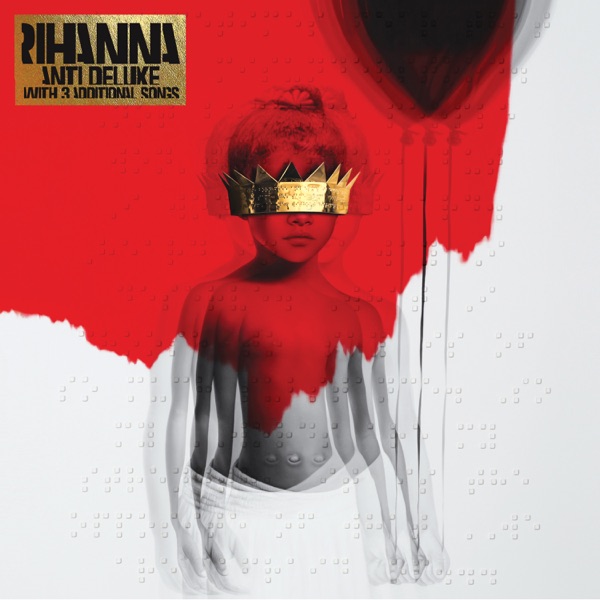
Needed Me
Rihanna · ANTI (Deluxe)
Self-protective anthem that trades vulnerability for control and explicit bravado.
Where the words land
Signal: Strained, leaning worth weighing.
What do these signals mean?
- Edifying: Points the heart toward God, truth, hope, or love.
- Worth Weighing: Real good and real concern together. Test it before you take it in.
- Strained: Strains against Scripture: leans toward what could dull or mislead.
- At Odds: At odds with Scripture: celebrates what it warns against. Little here builds up.
Weighed against Scripture
“I was good on my own”
“Two are better than one, because they have a good return for their labor. For if one falls down, his companion can lift him up; but pity the one who falls without another to help him up! Again, if two lie down together, they will keep warm; but how can one keep warm alone? And though one may be overpowered, two can resist. Moreover, a cord of three strands is not quickly broken.”
Scripture praises mutual need and companionship as a strength, not a weakness to be guarded against.
“don't get it twisted”
“Guard your heart with all diligence, for from it flow springs of life.”
The guarded-heart instinct here has a true kernel: protecting oneself from being used, even if the song's posture is more hardened than wise.
“Tryna fix your inner issues with a bad b***h”
“For My people have committed two evils: They have forsaken Me, the fountain of living water, and they have dug their own cisterns — broken cisterns that cannot hold water.
Looking to another person to fill an inner void echoes the broken-cistern problem; the song diagnoses this in another but doesn't offer a better source.
The song as a whole
“Love is patient, love is kind. It does not envy, it does not boast, it is not proud. It is not rude, it is not self-seeking, it is not easily angered, it keeps no account of wrongs. Love takes no pleasure in evil, but rejoices in the truth. It bears all things, believes all things, hopes all things, endures all things.”
The song's whole posture of withholding and using love transactionally stands opposite love that gives fully and doesn't keep score.
In short
This is a post-breakup power anthem, reclaiming control after feeling used, wrapped in blunt, explicit language. It's less about love than about self-protection and refusing to be vulnerable again. There's real emotional honesty in it, but also a hardened, transactional view of relationships.
- Lyrical content
Frequent profanity and slurs, casual sexual reference, and a defiant, dismissive tone toward a former partner.
- Spiritual posture
The song is more self-assertion than worship or despair; it centers on guarding one's heart and refusing vulnerability rather than reaching toward or away from God.
- Apparent intent
Reads as an anthem of emotional self-protection after being used or underestimated, reclaiming power rather than glorifying harm to others.
What do these ratings mean?
- Lyrical content, what the words say on the surface. Clean: nothing coarse, sexual or violent. Mild: a trace of it, by allusion or a rare word. Strong: profanity, sex or violence in plain words. Explicit: graphic, or sin held up to admire.
- Spiritual posture, where the song's heart points. God-honoring: toward God, truth or hope. Searching: honestly reaching or wrestling toward truth, without arriving. Neutral: spiritually indifferent; neither reaches nor rejects. Dark: despairing, nihilistic, self-exalting or hostile to God.
- Apparent intent, what the song is for. Edifying: worship, encouragement, honest lament. Cathartic: letting grief, anger or longing out, told honestly. Ambiguous: hard to say what the song is for. Harmful: celebrates evil, mocks faith or draws toward sin.
Does this song's guardedness feel like wisdom, or like armor that keeps real love out?
An AI-assisted reading. It can misread a lyric, a metaphor or a song’s intent.


