Never Keeping Secrets
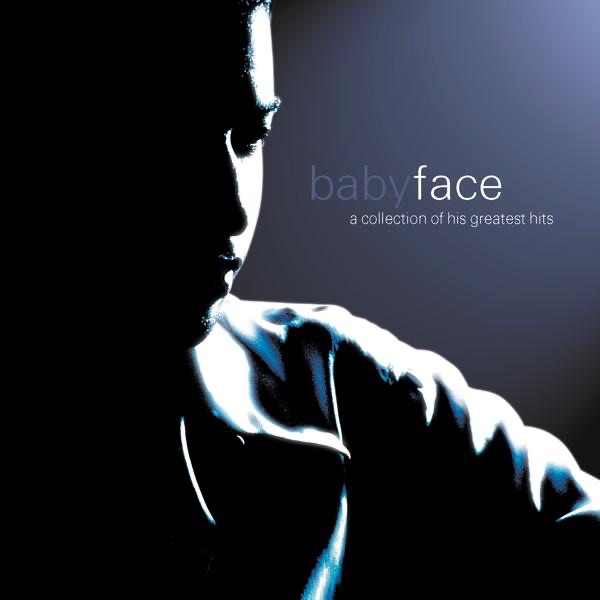
Babyface · A Collection of His Greatest Hits
A charming apology song that never quite reckons with the deeper cost of betrayal.
Where the words land
Signal: Worth Weighing.
What do these signals mean?
- Edifying: Points the heart toward God, truth, hope, or love.
- Worth Weighing: Real good and real concern together. Test it before you take it in.
- Strained: Strains against Scripture: leans toward what could dull or mislead.
- At Odds: At odds with Scripture: celebrates what it warns against. Little here builds up.
Weighed against Scripture
“I never meant to lie to you”
“Lying lips are detestable to the LORD, but those who deal faithfully are His delight.”
The singer admits to lying for self-interest, which Scripture names as something God detests, even as he now seeks to undo it.
“I know that there is no excuse”
“If we confess our sins, He is faithful and just to forgive us our sins and to cleanse us from all unrighteousness.”
His admission of fault without excuse mirrors the posture of honest confession, though it stops short of any spiritual dimension.
The song as a whole
“Greater love has no one than this, that he lay down his life for his friends.”
The language of sacrificial love borrows the shape of self-giving love, even though here it's romantic hyperbole rather than the selfless love Jesus describes.
“He who conceals his sins will not prosper, but whoever confesses and renounces them will find mercy.”
The song's cycle of hiding and then confessing wrongdoing echoes a pattern Scripture addresses directly: true change comes through forsaking sin, not just apologizing for being caught.
Words of Christ are set in red.
In short
This is a love song of regret and persuasion: a man who lied and cheated now wants back in, promising honesty going forward. It's emotionally sincere in places but mostly functions as a plea to be forgiven and trusted again rather than a deeper reckoning with wrongdoing. There's no spiritual frame here, just romantic remorse.
- Spiritual posture
The song centers on romantic remorse and self-interest rather than any reach toward God, though it does express genuine regret.
- Apparent intent
Reads as a classic R&B apology song: part sincere contrition, part persuasion to win someone back, without clear moral reflection beyond the relationship itself.
What do these ratings mean?
- Lyrical content, what the words say on the surface. Clean: nothing coarse, sexual or violent. Mild: a trace of it, by allusion or a rare word. Strong: profanity, sex or violence in plain words. Explicit: graphic, or sin held up to admire.
- Spiritual posture, where the song's heart points. God-honoring: toward God, truth or hope. Searching: honestly reaching or wrestling toward truth, without arriving. Neutral: spiritually indifferent; neither reaches nor rejects. Dark: despairing, nihilistic, self-exalting or hostile to God.
- Apparent intent, what the song is for. Edifying: worship, encouragement, honest lament. Cathartic: letting grief, anger or longing out, told honestly. Ambiguous: hard to say what the song is for. Harmful: celebrates evil, mocks faith or draws toward sin.
Does this song's portrait of 'sorry' look like real repentance, or mostly a wish to avoid losing someone?
An AI-assisted reading. It can misread a lyric, a metaphor or a song’s intent.


