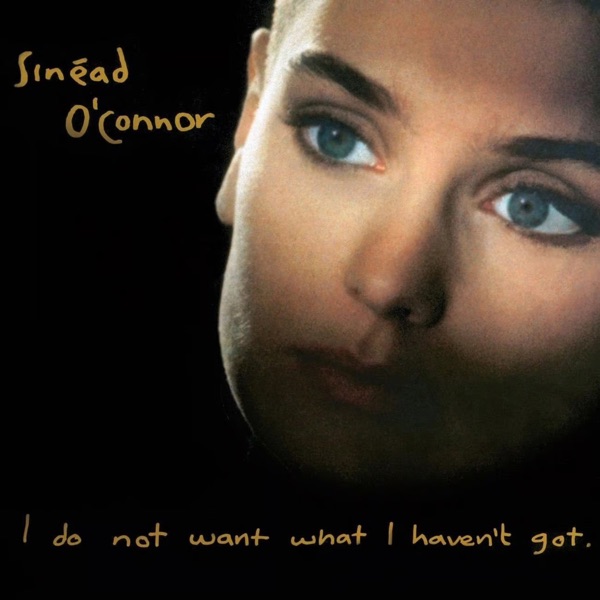
Nothing Compares 2 U
Sinéad O'Connor · I Do Not Want What I Haven't Got
Honest grief over lost love, with nowhere else to put its hope but the person who left.
Where the words land
Signal: Worth Weighing, leaning edifying.
What do these signals mean?
- Edifying: Points the heart toward God, truth, hope, or love.
- Worth Weighing: Real good and real concern together. Test it before you take it in.
- Strained: Strains against Scripture: leans toward what could dull or mislead.
- At Odds: At odds with Scripture: celebrates what it warns against. Little here builds up.
Weighed against Scripture
“I go out every night and sleep all day”
“I am weary from groaning; all night I flood my bed with weeping and drench my couch with tears. My eyes fail from grief; they grow dim because of all my foes.”
The psalmist's nightly weeping and wasting grief mirrors this disoriented, sleepless mourning over loss.
“Nothing can stop these lonely tears from falling”
My tears have been my food both day and night, while men ask me all day long, “Where is your God?”
Tears as constant companions is a deeply biblical picture of grief that doesn't pretend to be resolved.
“All died when you went away”
“a time to weep and a time to laugh, a time to mourn and a time to dance,”
The dead flowers as a symbol of mourning fits the honest, unhurried season of weeping Ecclesiastes names as part of life.
The song as a whole
“It bears all things, believes all things, hopes all things, endures all things.”
The willingness to endure and try again, even after hurt, gestures toward the persistence love is described as having, though here it's directed at a person who left rather than God.
“Rest in God alone, O my soul, for my hope comes from Him.”
The song finds no comfort because it fixes all hope on a single human relationship, where Scripture points the soul toward resting its deepest hope in God, who does not leave.
In short
This is heartbreak sung plainly, without any effort to dress up the loss or numb it with distraction. The singer tries doctors, nice meals, other people, and nothing fills the hole one person's absence left. It's honest grief, not nihilism, and it ends reaching toward reconciliation rather than giving up on love altogether.
- Spiritual posture
The song sits in unresolved sorrow and longing, naming loneliness honestly without pretending it's fine, and reaching, however faintly, toward reconciliation.
- Apparent intent
Written as a sincere expression of heartbreak and longing, meant to give voice to grief shared by the listener, not to glamorize despair.
What do these ratings mean?
- Lyrical content, what the words say on the surface. Clean: nothing coarse, sexual or violent. Mild: a trace of it, by allusion or a rare word. Strong: profanity, sex or violence in plain words. Explicit: graphic, or sin held up to admire.
- Spiritual posture, where the song's heart points. God-honoring: toward God, truth or hope. Searching: honestly reaching or wrestling toward truth, without arriving. Neutral: spiritually indifferent; neither reaches nor rejects. Dark: despairing, nihilistic, self-exalting or hostile to God.
- Apparent intent, what the song is for. Edifying: worship, encouragement, honest lament. Cathartic: letting grief, anger or longing out, told honestly. Ambiguous: hard to say what the song is for. Harmful: celebrates evil, mocks faith or draws toward sin.
Where do you place your deepest hope when the people you love let you down or leave?
An AI-assisted reading. It can misread a lyric, a metaphor or a song’s intent.


