Papercut
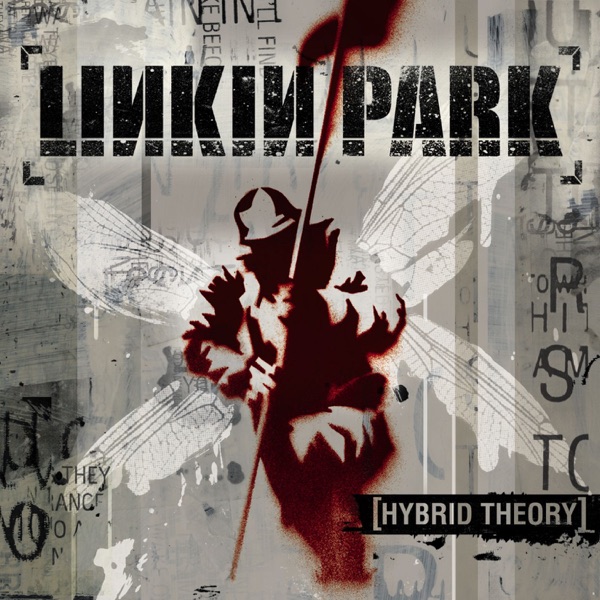
LINKIN PARK · Hybrid Theory
Honest about anxiety's grip, but offers no way out of it
Where the words land
Signal: Worth Weighing, leaning strained.
What do these signals mean?
- Edifying: Points the heart toward God, truth, hope, or love.
- Worth Weighing: Real good and real concern together. Test it before you take it in.
- Strained: Strains against Scripture: leans toward what could dull or mislead.
- At Odds: At odds with Scripture: celebrates what it warns against. Little here builds up.
Weighed against Scripture
“A face watches every time I lie”
“O LORD, You have searched me and known me. You know when I sit and when I rise; You understand my thoughts from afar. You search out my path and my lying down; You are aware of all my ways. Even before a word is on my tongue, You know all about it, O LORD.”
The song frames being fully known as a source of dread and judgment, while this psalm presents God's total knowledge of us as intimate and ultimately comforting, not accusing.
“Points out all my mistakes to me”
“Therefore, there is now no condemnation for those who are in Christ Jesus.”
The relentless internal prosecutor in the song has no acquittal; Paul insists that in Christ the condemning voice does not get the final word.
“I feel the light betray me”
“Why are you downcast, O my soul? Why the unease within me? Put your hope in God, for I will yet praise Him for the salvation of His presence.”
Like the psalmist, the singer names despair and inner turmoil directly, though unlike the psalm there is no address to God or self-exhortation to hope here.
The song as a whole
Come to Me, all you who are weary and burdened, and I will give you rest. Take My yoke upon you and learn from Me, for I am gentle and humble in heart, and you will find rest for your souls. For My yoke is easy and My burden is light.”
The song's exhausting cycle of self-watching has no rest offered within it; Jesus offers exactly the rest from internal burden that this song circles without finding.
Words of Christ are set in red.
In short
This is a portrait of anxiety as an internal, accusing presence, a 'face' that watches, judges, and never lets up. It's raw and relatable precisely because it never resolves; the paranoia and self-doubt just loop. There's no villain here, just an honest, uncomfortable snapshot of what living inside a hypervigilant mind feels like.
- Spiritual posture
The song dwells entirely in anxious self-surveillance and inner accusation, with no turn toward hope, grace, or release from the inner voice.
- Apparent intent
This reads as an honest, confessional airing of anxiety and self-doubt, meant to give voice to a universal paranoid inner critic rather than glorify it.
What do these ratings mean?
- Lyrical content, what the words say on the surface. Clean: nothing coarse, sexual or violent. Mild: a trace of it, by allusion or a rare word. Strong: profanity, sex or violence in plain words. Explicit: graphic, or sin held up to admire.
- Spiritual posture, where the song's heart points. God-honoring: toward God, truth or hope. Searching: honestly reaching or wrestling toward truth, without arriving. Neutral: spiritually indifferent; neither reaches nor rejects. Dark: despairing, nihilistic, self-exalting or hostile to God.
- Apparent intent, what the song is for. Edifying: worship, encouragement, honest lament. Cathartic: letting grief, anger or longing out, told honestly. Ambiguous: hard to say what the song is for. Harmful: celebrates evil, mocks faith or draws toward sin.
Does naming this kind of internal paranoia help you release it, or does it leave the loop running longer?
An AI-assisted reading. It can misread a lyric, a metaphor or a song’s intent.


