Paradise City
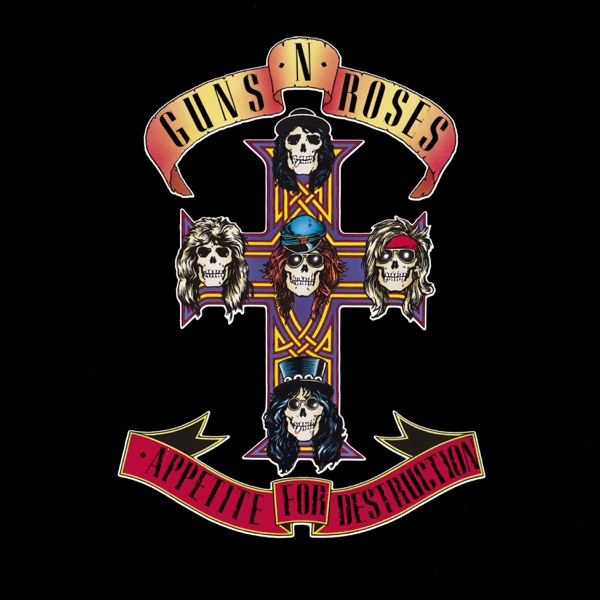
Guns N' Roses · Appetite For Destruction
A trapped soul's loud, aching plea to be taken somewhere better.
Where the words land
Signal: Worth Weighing, leaning edifying.
What do these signals mean?
- Edifying: Points the heart toward God, truth, hope, or love.
- Worth Weighing: Real good and real concern together. Test it before you take it in.
- Strained: Strains against Scripture: leans toward what could dull or mislead.
- At Odds: At odds with Scripture: celebrates what it warns against. Little here builds up.
Weighed against Scripture
“I'm a hard case that's tough to beat”
Jesus replied, “Foxes have dens and birds of the air have nests, but the Son of Man has no place to lay His head.”
The urchin with nowhere to belong mirrors the ache of having no place to lay one's head, a picture of displacement and need.
“Strapped in the chair of the city's gas chamber”
“I do not understand what I do. For what I want to do, I do not do. But what I hate, I do. And if I do what I do not want to do, I admit that the law is good. In that case, it is no longer I who do it, but it is sin living in me that does it. I know that nothing good lives in me, that is, in my flesh; for I have the desire to do what is good, but I cannot carry it out. For I do not do the good I want to do. Instead, I keep on doing the evil I do not want to do.”
The image of being trapped, unable to remember why or escape, echoes Paul's cry of being captive to what he doesn't want to do.
“Captain America's been torn apart”
“Anything my eyes desired, I did not deny myself. I refused my heart no pleasure. For my heart took delight in all my work, and this was the reward for all my labor. Yet when I considered all the works that my hands had accomplished and what I had toiled to achieve, I found everything to be futile, a pursuit of the wind; there was nothing to be gained under the sun.”
A broken-hearted figure who has 'seen it all a million times' recalls the Preacher's verdict that chasing fame and pleasure ends in emptiness.
“Oh, won't you please take me home?”
“How lovely is Your dwelling place, O LORD of Hosts! My soul longs, even faints, for the courts of the LORD; my heart and my flesh cry out for the living God.”
The repeated plea to be taken home resembles the psalmist's longing for a dwelling place, a cry for rest and belonging that the song never fully resolves.
Words of Christ are set in red.
In short
Beneath the stadium-rock swagger, this is a homesick song: a street kid caught in the gamble of fame and vice, repeating a plea to be taken somewhere better. The 'Paradise City' he imagines is left vague and maybe unreachable, but the yearning itself is honest. It doesn't celebrate the gas-chamber trap it describes so much as ache to get out of it.
- Lyrical content
No explicit language here; it deals in street imagery, gambling, cigarettes, and a gas chamber metaphor for addiction's grip, but stays non-graphic.
- Spiritual posture
Underneath the arena-rock bravado is a genuine ache, a narrator who feels trapped, forgetful, and far from home, longing for a better place he can't quite reach.
- Apparent intent
Written from the band's own experience of L.A. excess and homesickness, it channels disillusionment into a yearning anthem rather than glorifying the trap itself.
What do these ratings mean?
- Lyrical content, what the words say on the surface. Clean: nothing coarse, sexual or violent. Mild: a trace of it, by allusion or a rare word. Strong: profanity, sex or violence in plain words. Explicit: graphic, or sin held up to admire.
- Spiritual posture, where the song's heart points. God-honoring: toward God, truth or hope. Searching: honestly reaching or wrestling toward truth, without arriving. Neutral: spiritually indifferent; neither reaches nor rejects. Dark: despairing, nihilistic, self-exalting or hostile to God.
- Apparent intent, what the song is for. Edifying: worship, encouragement, honest lament. Cathartic: letting grief, anger or longing out, told honestly. Ambiguous: hard to say what the song is for. Harmful: celebrates evil, mocks faith or draws toward sin.
Does this song's restless longing for 'home' point you toward anything real, or just toward a fantasy escape?
An AI-assisted reading. It can misread a lyric, a metaphor or a song’s intent.