Paris
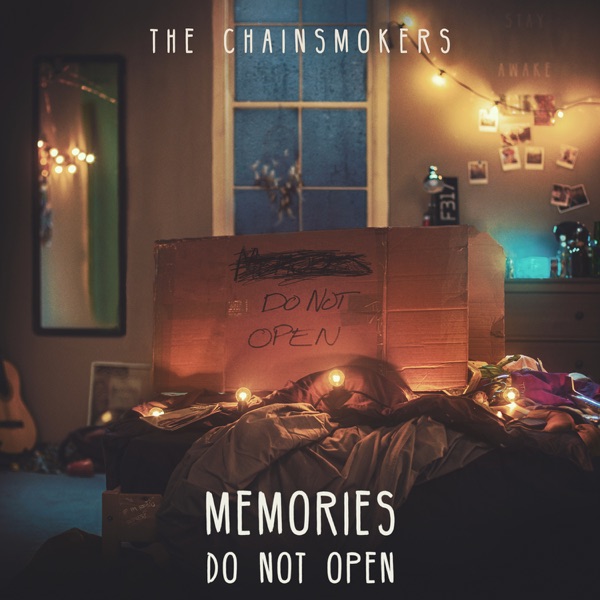
The Chainsmokers · Memories...Do Not Open
Glamorizes doomed romance and escapism dressed up as defiance.
Where the words land
Signal: Strained, leaning worth weighing.
What do these signals mean?
- Edifying: Points the heart toward God, truth, hope, or love.
- Worth Weighing: Real good and real concern together. Test it before you take it in.
- Strained: Strains against Scripture: leans toward what could dull or mislead.
- At Odds: At odds with Scripture: celebrates what it warns against. Little here builds up.
Weighed against Scripture
“While I'm wasted with someone else”
“Do not get drunk on wine, which leads to reckless indiscretion. Instead, be filled with the Spirit.”
Numbing pain through drinking and infidelity is offered as comfort here, but Scripture points toward being filled with something that actually restores rather than dulls.
“If we go down, then we go down together”
“Two are better than one, because they have a good return for their labor. For if one falls down, his companion can lift him up; but pity the one who falls without another to help him up!”
There's a real, if fragile, companionship-in-crisis here; two people refusing to face collapse alone, which this passage honors even as the song's version is built on performance, not real support.
“They'll say that I was clever”
“Trust in the LORD with all your heart, and lean not on your own understanding; in all your ways acknowledge Him, and He will make your paths straight. Be not wise in your own eyes; fear the LORD and turn away from evil.”
The couple's desire to 'get away with everything' and be seen as clever and better reflects self-sufficient pride rather than trust beyond themselves.
The song as a whole
“So teach us to number our days, that we may present a heart of wisdom.”
The song romanticizes wasted time and youthful recklessness as a kind of glory, where Scripture calls for numbering our days wisely instead of burning them for image's sake.
In short
This song is less a love story than a portrait of two people bonding over shared recklessness and the fear of being exposed as failures. The drinking, truancy, and 'us against the world' bravado mask real instability rather than resolve it. It's catchy escapism, but the relationship it depicts is fragile, performative, and running from honesty rather than toward it.
- Lyrical content
No profanity, but drinking, escapism, and a toxic relationship dynamic run through it ('wasted with someone else', 'cuttin' class', 'getting drunk on the past').
- Spiritual posture
The posture is defiant self-reliance and image-management, 'let's show them we are better,' rather than honesty or hope; the couple clings to each other to prove something rather than to heal.
- Apparent intent
Reads as a snapshot of young, doomed romance and bravado, cathartic storytelling rather than moral instruction, but it doesn't push back against the escapism it depicts.
What do these ratings mean?
- Lyrical content, what the words say on the surface. Clean: nothing coarse, sexual or violent. Mild: a trace of it, by allusion or a rare word. Strong: profanity, sex or violence in plain words. Explicit: graphic, or sin held up to admire.
- Spiritual posture, where the song's heart points. God-honoring: toward God, truth or hope. Searching: honestly reaching or wrestling toward truth, without arriving. Neutral: spiritually indifferent; neither reaches nor rejects. Dark: despairing, nihilistic, self-exalting or hostile to God.
- Apparent intent, what the song is for. Edifying: worship, encouragement, honest lament. Cathartic: letting grief, anger or longing out, told honestly. Ambiguous: hard to say what the song is for. Harmful: celebrates evil, mocks faith or draws toward sin.
Does this song's picture of love, bonding through secrecy and self-destruction, match what you actually want real intimacy to look like?
An AI-assisted reading. It can misread a lyric, a metaphor or a song’s intent.


