Piece of Me
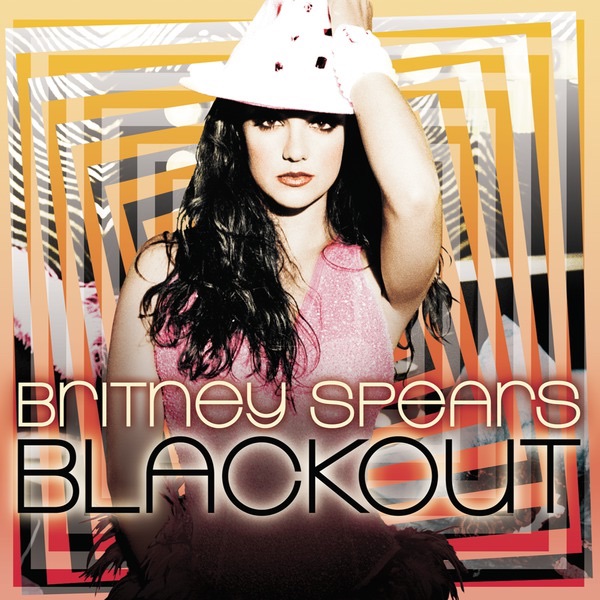
Britney Spears · Blackout (Deluxe Version)
A defiant answer to fame's cruelty, more weary than wicked.
Where the words land
Signal: Worth Weighing, leaning edifying.
What do these signals mean?
- Edifying: Points the heart toward God, truth, hope, or love.
- Worth Weighing: Real good and real concern together. Test it before you take it in.
- Strained: Strains against Scripture: leans toward what could dull or mislead.
- At Odds: At odds with Scripture: celebrates what it warns against. Little here builds up.
Weighed against Scripture
“They still gon' put pictures of my derrière in the magazine”
But the LORD said to Samuel, “Do not consider his appearance or height, for I have rejected him; the LORD does not see as man does. For man sees the outward appearance, but the LORD sees the heart.”
Her complaint about being reduced to appearance and image echoes this reminder that man looks on the outside while God looks at the heart.
“Guess I can't see the harm in working and being a mama”
“She watches over the affairs of her household and does not eat the bread of idleness. Her children rise up and call her blessed; her husband praises her as well:”
She defends her identity as a working mother against public judgment, echoing Scripture's own honoring of a woman's labor and care for her household.
“Who's flipping me off? Hoping I'll resort to some havoc”
“When they heaped abuse on Him, He did not retaliate; when He suffered, He made no threats, but entrusted Himself to Him who judges justly.”
Where Christ responded to mockery without retaliation, this song answers provocation with defiant anger, a very human but different posture.
The song as a whole
“Again I looked, and I considered all the oppression taking place under the sun. I saw the tears of the oppressed, and they had no comforter; the power lay in the hands of their oppressors, and there was no comforter.”
The song's overall cry against being endlessly watched, mocked, and consumed echoes this ancient lament over oppression and the powerlessness of the oppressed.
In short
This is Britney Spears answering back to years of tabloid cruelty and public dissection of her body, motherhood, and mental state. It's less a spiritual statement than a defiant personal one, naming the dehumanizing cost of fame. There's real pain under the sarcasm, but also strength: she refuses to be reduced to a headline.
- Spiritual posture
The song is defensive and weary rather than God-ward or despairing; it's a public defiance of fame's cruelty, not a spiritual reckoning.
- Apparent intent
Clearly a release of frustration at being dehumanized by media and fans, turning scrutiny into a defiant anthem rather than self-destruction.
What do these ratings mean?
- Lyrical content, what the words say on the surface. Clean: nothing coarse, sexual or violent. Mild: a trace of it, by allusion or a rare word. Strong: profanity, sex or violence in plain words. Explicit: graphic, or sin held up to admire.
- Spiritual posture, where the song's heart points. God-honoring: toward God, truth or hope. Searching: honestly reaching or wrestling toward truth, without arriving. Neutral: spiritually indifferent; neither reaches nor rejects. Dark: despairing, nihilistic, self-exalting or hostile to God.
- Apparent intent, what the song is for. Edifying: worship, encouragement, honest lament. Cathartic: letting grief, anger or longing out, told honestly. Ambiguous: hard to say what the song is for. Harmful: celebrates evil, mocks faith or draws toward sin.
Does this song's defiance help you see dignity in someone the world has reduced to gossip, including yourself?
An AI-assisted reading. It can misread a lyric, a metaphor or a song’s intent.