Pirate's Anthem (feat. Home T. & Shabba Ranks)
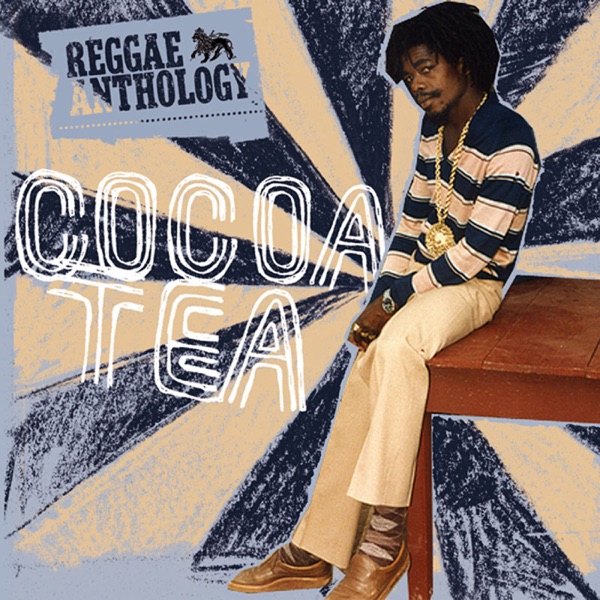
Cocoa Tea, Shabba Ranks & Home T. · Reggae Anthology: The Sweet Sound of Cocoa Tea
Signal: Worth Weighing, leaning edifying. A defiant ode to community radio and the people's music.
A defiant ode to community radio and the people's music
What do these signals mean?
- Edifying: Points the heart toward God, truth, hope, or love.
- Worth Weighing: Real good and real concern together. Test it before you take it in.
- Strained: Strains against Scripture: leans toward what could dull or mislead.
- At Odds: At odds with Scripture: celebrates what it warns against. Little here builds up.
Weighed against Scripture
“Open thy mouth for the dumb in the cause of all such as are appointed to destruction. Open thy mouth, judge righteously, and plead the cause of the poor and needy.”
The call to speak up for those who have no voice resonates with the song's argument that pirate radio existed because official gatekeepers were not serving whole communities.
“Then Peter and the other apostles answered and said, We ought to obey God rather than men.”
The apostles' principle of obeying God rather than human authority when human authority suppresses what is good gives historical texture to the tension the song describes, though the song is a cultural rather than spiritual claim.
This is a protest anthem defending the UK pirate radio movement of the late 1980s and early 1990s, when unlicensed stations were the primary way communities of Caribbean heritage heard their own music on air. The Department of Trade and Industry (DTI) regularly raided and shut these stations down. Shabba frames the pirate broadcasters not as criminals but as servants of the people, filling a genuine gap left by an exclusionary broadcasting establishment. The defiance here is rooted in belonging and dignity, not lawlessness for its own sake.
Largely clean. The word 'idiot' is the sharpest language used. The tone is combative but not profane.
The song is not spiritually oriented in either direction. It celebrates community, resilience, and cultural expression without reaching toward or away from God.
Shabba is championing pirate radio stations that played reggae, dancehall, and Black British music when mainstream broadcasters ignored them. The intent is solidarity and cultural pride, not rebellion for its own sake.
When you think about the communities these stations were serving, does the spirit of the song feel closer to defiance or to advocacy, and does that distinction change how you receive it?
An AI-assisted reading. It can misread a lyric, a metaphor or a song’s intent.


