Pompeii
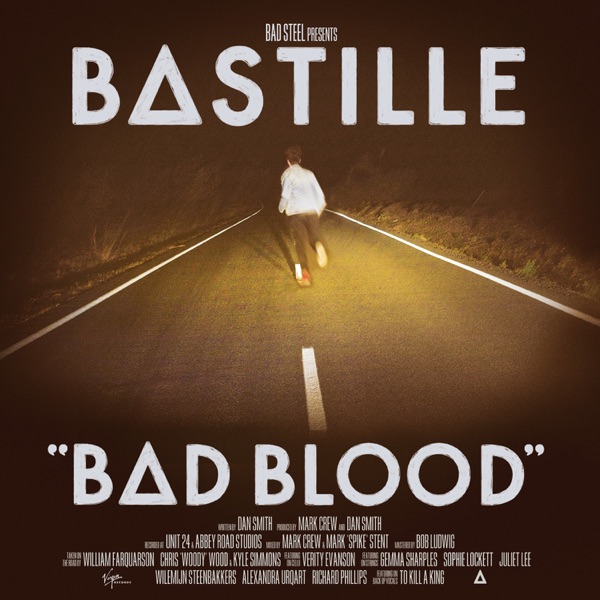
Bastille · Bad Blood (Bonus Track Version)
An honest lament over ruin that questions hope without faking resolution.
Where the words land
Signal: Worth Weighing, leaning edifying.
What do these signals mean?
- Edifying: Points the heart toward God, truth, hope, or love.
- Worth Weighing: Real good and real concern together. Test it before you take it in.
- Strained: Strains against Scripture: leans toward what could dull or mislead.
- At Odds: At odds with Scripture: celebrates what it warns against. Little here builds up.
Weighed against Scripture
“the walls kept tumbling down in the city that we love”
“The LORD determined to destroy the wall of the Daughter of Zion. He stretched out a measuring line and did not withdraw His hand from destroying. He made the ramparts and walls lament; together they waste away. Her gates have sunk into the ground; He has destroyed and shattered their bars. Her king and her princes are exiled among the nations, the law is no more, and even her prophets find no vision from the LORD.”
Lamentations mourns the literal collapse of a beloved city's walls, the same grief this song pictures in Pompeii's ruin.
“Does it almost feel like nothing changed at all?”
“What has been will be again, and what has been done will be done again; there is nothing new under the sun.”
The numbing sense that history just repeats itself echoes the Preacher's weary observation that nothing is new under the sun.
“Oh, where do we begin? The rubble or our sins?”
“Let us examine and test our ways, and turn back to the LORD.”
This line's instinct to examine both outward wreckage and inward fault mirrors the call to self-examination alongside lament.
The song as a whole
“Why are you downcast, O my soul? Why the unease within me? Put your hope in God, for I will yet praise Him, my Savior and my God.”
The psalmist asks his own soul why it's downcast, voicing the same struggle to find hope amid despair without pretending it's resolved.
In short
Pompeii uses the buried city as a metaphor for personal catastrophe and the guilt that lingers after things fall apart. It doesn't offer answers, just an honest, aching question about whether hope is even possible after ruin. That kind of searching lament has deep biblical precedent, even without resolution.
- Spiritual posture
The song wrestles honestly with disaster and guilt without landing anywhere; it questions whether optimism is even possible.
- Apparent intent
Written as a dialogue between two buried Pompeii victims, it's a meditation on facing catastrophe and complicity, not a call to despair or celebration of ruin.
What do these ratings mean?
- Lyrical content, what the words say on the surface. Clean: nothing coarse, sexual or violent. Mild: a trace of it, by allusion or a rare word. Strong: profanity, sex or violence in plain words. Explicit: graphic, or sin held up to admire.
- Spiritual posture, where the song's heart points. God-honoring: toward God, truth or hope. Searching: honestly reaching or wrestling toward truth, without arriving. Neutral: spiritually indifferent; neither reaches nor rejects. Dark: despairing, nihilistic, self-exalting or hostile to God.
- Apparent intent, what the song is for. Edifying: worship, encouragement, honest lament. Cathartic: letting grief, anger or longing out, told honestly. Ambiguous: hard to say what the song is for. Harmful: celebrates evil, mocks faith or draws toward sin.
Does naming the question 'how can I be an optimist about this?' honestly actually open space for real hope, or leave you stuck there?
An AI-assisted reading. It can misread a lyric, a metaphor or a song’s intent.


