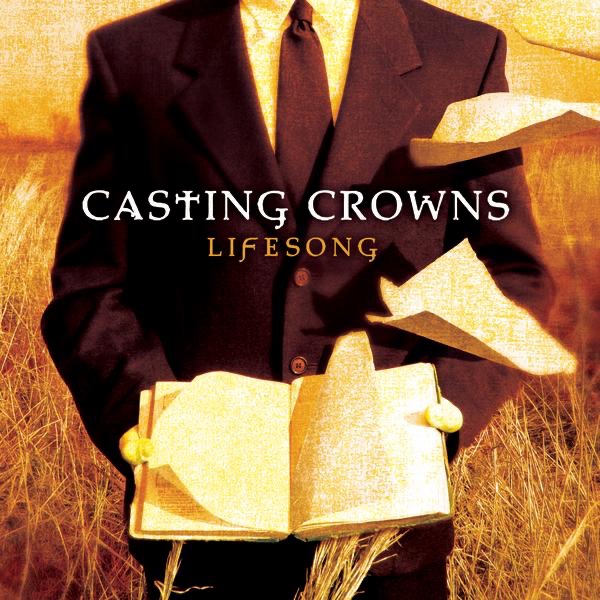
Praise You In This Storm
Casting Crowns · Lifesong
Honest lament that chooses worship without denying the pain.
Where the words land
Signal: Edifying.
What do these signals mean?
- Edifying: Points the heart toward God, truth, hope, or love.
- Worth Weighing: Real good and real concern together. Test it before you take it in.
- Strained: Strains against Scripture: leans toward what could dull or mislead.
- At Odds: At odds with Scripture: celebrates what it warns against. Little here builds up.
Weighed against Scripture
“I barely hear Your whisper through the rain”
Then the LORD said, “Go out and stand on the mountain before the LORD. Behold, the LORD is about to pass by.” And a great and mighty wind tore into the mountains and shattered the rocks before the LORD, but the LORD was not in the wind. After the wind there was an earthquake, but the LORD was not in the earthquake. After the earthquake there was a fire, but the LORD was not in the fire. And after the fire came a still, small voice.
Like Elijah straining to hear God not in the storm's noise but in a quiet whisper, the singer listens for God's voice amid the chaos.
“praise the God who gives And takes away”
saying: “Naked I came from my mother’s womb, and naked I will return. The LORD gave, and the LORD has taken away. Blessed be the name of the LORD.”
Directly echoes Job's posture of blessing God's name in both gain and loss, refusing to let circumstance dictate worship.
“every tear I've cried You hold in Your hand”
“You have taken account of my wanderings. Put my tears in Your bottle — are they not in Your book?”
The psalmist's confidence that God collects every tear is mirrored almost word for word here.
The song as a whole
“How long, O LORD? Will You forget me forever? How long will You hide Your face from me? How long must I wrestle in my soul, with sorrow in my heart each day? How long will my enemy dominate me?”
This is the same raw 'how long' cry of a believer who feels God's delay even while still addressing Him directly.
“I lift up my eyes to the hills. From where does my help come? My help comes from the LORD, the Maker of heaven and earth.”
A near-direct quotation of this psalm of ascent, grounding hope in God's identity as Creator rather than in circumstances.
In short
This song gives voice to the gap between what we hoped God would do and what's actually happening, without pretending the pain isn't real. It doesn't resolve the storm; it chooses to praise in the middle of it, trusting God's character over His silence. That's a very different posture from denial, it's lament that still reaches upward.
- Spiritual posture
Honest about unanswered prayer and exhaustion, yet deliberately turns toward trust and praise rather than resolving the pain.
What do these ratings mean?
- Lyrical content, what the words say on the surface. Clean: nothing coarse, sexual or violent. Mild: a trace of it, by allusion or a rare word. Strong: profanity, sex or violence in plain words. Explicit: graphic, or sin held up to admire.
- Spiritual posture, where the song's heart points. God-honoring: toward God, truth or hope. Searching: honestly reaching or wrestling toward truth, without arriving. Neutral: spiritually indifferent; neither reaches nor rejects. Dark: despairing, nihilistic, self-exalting or hostile to God.
- Apparent intent, what the song is for. Edifying: worship, encouragement, honest lament. Cathartic: letting grief, anger or longing out, told honestly. Ambiguous: hard to say what the song is for. Harmful: celebrates evil, mocks faith or draws toward sin.
Is there a storm in your own life right now where praise feels like a choice rather than a feeling, and what would it look like to make that choice anyway?
An AI-assisted reading. It can misread a lyric, a metaphor or a song’s intent.


