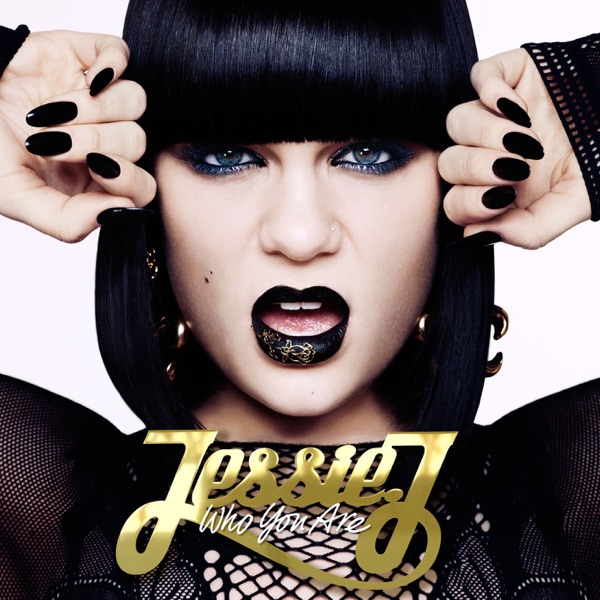
Price Tag (feat. B.o.B) [feat. B.o.B]
Jessie J · Who You Are (Platinum Edition)
A cheerful call to value love and connection over money and status.
Where the words land
Signal: Edifying.
What do these signals mean?
- Edifying: Points the heart toward God, truth, hope, or love.
- Worth Weighing: Real good and real concern together. Test it before you take it in.
- Strained: Strains against Scripture: leans toward what could dull or mislead.
- At Odds: At odds with Scripture: celebrates what it warns against. Little here builds up.
Weighed against Scripture
“Seems like everybody's got a price”
“For the love of money is the root of all kinds of evil. By craving it, some have wandered away from the faith and pierced themselves with many sorrows.”
The song's opening critique of a money-obsessed culture mirrors Paul's warning that the love of money is a root of many evils.
“Money can't buy us happiness”
“He who loves money is never satisfied by money, and he who loves wealth is never satisfied by income. This too is futile.”
Echoes the Preacher's observation that those who love money are never satisfied by it, a theme the song states almost verbatim.
“We're paying with love tonight”
“If I give all I possess to the poor and exult in the surrender of my body, but have not love, I gain nothing.”
The song elevates love above material transaction, resonating with Paul's teaching that love outweighs any material gift or sacrifice.
“You can't put a price on a life”
“What will it profit a man if he gains the whole world, yet forfeits his soul? Or what can a man give in exchange for his soul?”
Jesus' question about gaining the world yet losing one's soul aligns with the song's claim that life's worth exceeds material wealth.
Words of Christ are set in red.
In short
This is a bright pop anthem pushing back against consumerism and status obsession, urging listeners to find joy in connection rather than cash. Its message, that love and unity matter more than money, lines up well with biblical wisdom about contentment and the dangers of greed. There's no explicit spiritual language, but the heart of the song reaches toward something good and true. It's more feel-good critique than deep reflection, but its direction is wholesome.
What do these ratings mean?
- Lyrical content, what the words say on the surface. Clean: nothing coarse, sexual or violent. Mild: a trace of it, by allusion or a rare word. Strong: profanity, sex or violence in plain words. Explicit: graphic, or sin held up to admire.
- Spiritual posture, where the song's heart points. God-honoring: toward God, truth or hope. Searching: honestly reaching or wrestling toward truth, without arriving. Neutral: spiritually indifferent; neither reaches nor rejects. Dark: despairing, nihilistic, self-exalting or hostile to God.
- Apparent intent, what the song is for. Edifying: worship, encouragement, honest lament. Cathartic: letting grief, anger or longing out, told honestly. Ambiguous: hard to say what the song is for. Harmful: celebrates evil, mocks faith or draws toward sin.
Does this song's call to value people over possessions shape how you actually spend your time and money?
An AI-assisted reading. It can misread a lyric, a metaphor or a song’s intent.