REAL ONES NEVER DIE
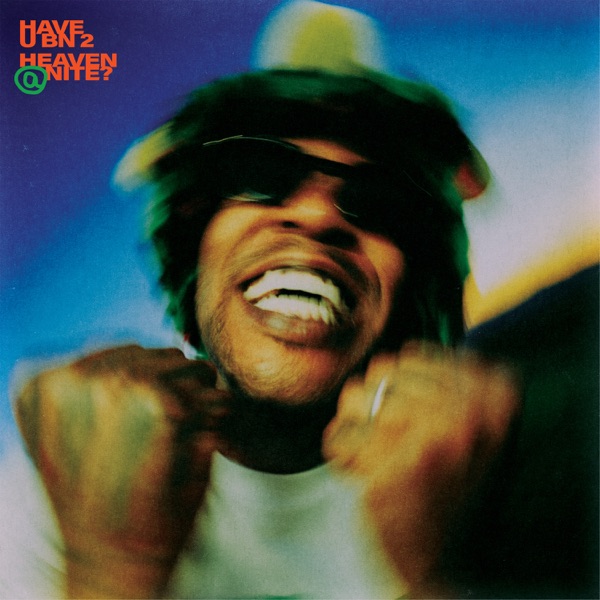
Kid Cudi · HAVE U BN 2 HEAVEN @ NITE? - EP
Honest testimony of climbing out of darkness while still fighting for light.
Where the words land
Signal: Edifying, leaning worth weighing.
What do these signals mean?
- Edifying: Points the heart toward God, truth, hope, or love.
- Worth Weighing: Real good and real concern together. Test it before you take it in.
- Strained: Strains against Scripture: leans toward what could dull or mislead.
- At Odds: At odds with Scripture: celebrates what it warns against. Little here builds up.
Weighed against Scripture
“I climbed from the bottomless pit of hell”
“He lifted me up from the pit of despair, out of the miry clay; He set my feet upon a rock, and made my footsteps firm.”
Echoes the psalmist's testimony of being lifted from a pit of despair onto solid ground, a picture of rescue mid-struggle.
“My heart bleeds in the dark”
“O LORD, the God of my salvation, day and night I cry out before You. May my prayer come before You; incline Your ear to my cry. For my soul is full of troubles, and my life draws near to Sheol.”
One of the Bible's darkest psalms still speaks straight to God rather than away from Him, as this line does.
“We fight for light, yeah”
“For our struggle is not against flesh and blood, but against the rulers, against the authorities, against the powers of this world’s darkness, and against the spiritual forces of evil in the heavenly realms.”
Frames the ongoing struggle as spiritual warfare against darkness rather than mere self-improvement.
The song as a whole
“Why are you downcast, O my soul? Why the unease within me? Put your hope in God, for I will yet praise Him, my Savior and my God.”
Names the cycle of sorrow and numbing honestly, much like the psalmist's raw address to his own downcast soul.
Be strong and courageous; do not be afraid or terrified of them, for it is the LORD your God who goes with you; He will never leave you nor forsake you.”
Affirms the promise that God does not abandon, which the singer clings to even amid continuing darkness.
In short
This is a survivor's song, not a despairing one: Cudi names the pit he climbed from and admits the fight isn't fully won, but he keeps turning toward God rather than away. The substance references are honest coping admissions, not celebration. It lands as gratitude wrestling with leftover darkness.
- Lyrical content
Clean apart from a passing mention of drinking and smoking as coping, framed honestly rather than glorified.
- Spiritual posture
A soul wrestling with lingering depression while genuinely reaching toward God and gratitude, not resolved but reaching.
- Apparent intent
Reads as personal testimony of survival through depression, naming both the struggle and the gratitude without pretending it's fully over.
What do these ratings mean?
- Lyrical content, what the words say on the surface. Clean: nothing coarse, sexual or violent. Mild: a trace of it, by allusion or a rare word. Strong: profanity, sex or violence in plain words. Explicit: graphic, or sin held up to admire.
- Spiritual posture, where the song's heart points. God-honoring: toward God, truth or hope. Searching: honestly reaching or wrestling toward truth, without arriving. Neutral: spiritually indifferent; neither reaches nor rejects. Dark: despairing, nihilistic, self-exalting or hostile to God.
- Apparent intent, what the song is for. Edifying: worship, encouragement, honest lament. Cathartic: letting grief, anger or longing out, told honestly. Ambiguous: hard to say what the song is for. Harmful: celebrates evil, mocks faith or draws toward sin.
Does this song's honesty about an unfinished struggle encourage you to keep reaching toward God in your own, or does it linger too long in the dark for where you are right now?
An AI-assisted reading. It can misread a lyric, a metaphor or a song’s intent.


