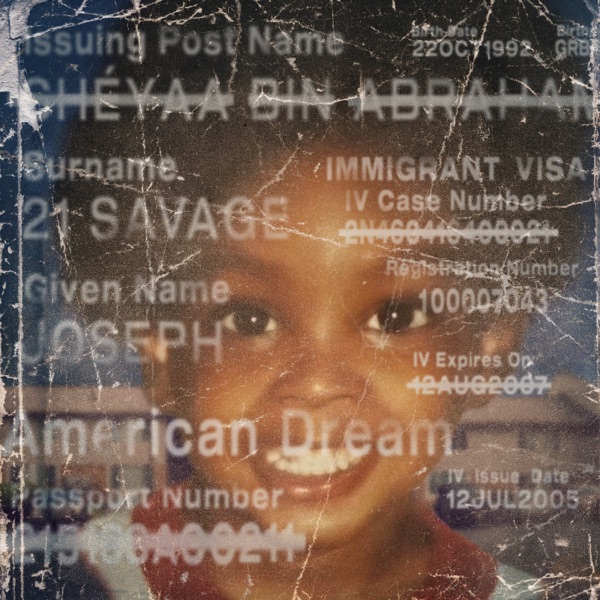
redrum
21 Savage · american dream
A violence-glorifying flex track with no reach toward conscience or hope.
Where the words land
Signal: At Odds.
What do these signals mean?
- Edifying: Points the heart toward God, truth, hope, or love.
- Worth Weighing: Real good and real concern together. Test it before you take it in.
- Strained: Strains against Scripture: leans toward what could dull or mislead.
- At Odds: At odds with Scripture: celebrates what it warns against. Little here builds up.
Weighed against Scripture
“G Block, all we know is redrum”
“What have you done?” replied the LORD. “The voice of your brother’s blood cries out to Me from the ground.
The song treats bloodshed as identity and pride, while Scripture frames shed blood as a cry that reaches God, never something to be worn as a badge.
“Graveyard, that's where the opps stay”
Do not avenge yourselves, beloved, but leave room for God’s wrath. For it is written: “Vengeance is Mine; I will repay, says the Lord.”
Vengeance is claimed here as personal right and entertainment, directly opposing the call to leave vengeance to God.
“I can't let a b***h play me, no way”
“Let no unwholesome talk come out of your mouths, but only what is helpful for building up the one in need and bringing grace to those who listen.”
The degrading language toward women here runs counter to speech meant to build others up.
“Smokin' on my brothers got his a** left slain”
“Everyone who hates his brother is a murderer, and you know that eternal life does not reside in a murderer.”
Scripture equates hatred that leads to killing with a heart void of eternal life; this verse boasts of exactly that without any flicker of conscience.
The song as a whole
“For they cannot sleep unless they do evil; they are deprived of slumber until they make someone fall. For they eat the bread of wickedness and drink the wine of violence.”
The whole track's posture, that violence is fuel and sustenance, mirrors the wicked who cannot sleep until they've done harm.
In short
This is a flex track built entirely around violence, retaliation, and contempt, using the title's murder connotation (and The Shining's imagery) as a badge of menace rather than any kind of warning. There's no turn toward remorse, grief, or meaning here, just repeated boasts of dominance and body count. It's coherent with 21 Savage's established persona but offers nothing redemptive to hold onto.
- Lyrical content
Graphic gun violence, murder boasts, degrading language toward women, and constant profanity run through the entire track.
- Spiritual posture
The song glorifies retaliatory killing and dominance with no hint of remorse, reflection, or reaching toward anything beyond violence.
- Apparent intent
This plays as menace and street-cred posturing, using murder imagery (the title itself, the Shining references) as a boast rather than a warning or lament.
What do these ratings mean?
- Lyrical content, what the words say on the surface. Clean: nothing coarse, sexual or violent. Mild: a trace of it, by allusion or a rare word. Strong: profanity, sex or violence in plain words. Explicit: graphic, or sin held up to admire.
- Spiritual posture, where the song's heart points. God-honoring: toward God, truth or hope. Searching: honestly reaching or wrestling toward truth, without arriving. Neutral: spiritually indifferent; neither reaches nor rejects. Dark: despairing, nihilistic, self-exalting or hostile to God.
- Apparent intent, what the song is for. Edifying: worship, encouragement, honest lament. Cathartic: letting grief, anger or longing out, told honestly. Ambiguous: hard to say what the song is for. Harmful: celebrates evil, mocks faith or draws toward sin.
What does repeated exposure to music that treats killing as a point of pride shape in you over time?
An AI-assisted reading. It can misread a lyric, a metaphor or a song’s intent.


