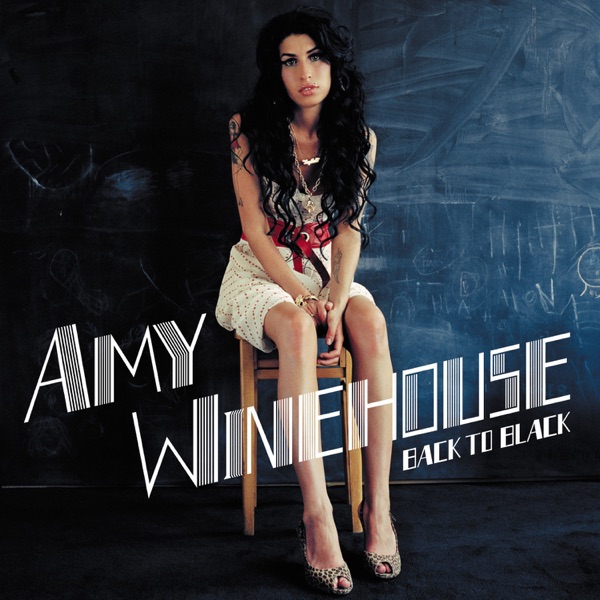
Rehab
Amy Winehouse · Back To Black
A candid portrait of addiction's denial, honest but offers no way out.
Where the words land
Signal: Strained, leaning worth weighing.
What do these signals mean?
- Edifying: Points the heart toward God, truth, hope, or love.
- Worth Weighing: Real good and real concern together. Test it before you take it in.
- Strained: Strains against Scripture: leans toward what could dull or mislead.
- At Odds: At odds with Scripture: celebrates what it warns against. Little here builds up.
Weighed against Scripture
“They tried to make me go to rehab”
“The way of a fool is right in his own eyes, but a wise man listens to counsel.”
The song's refusal of counsel is exactly the folly this proverb warns against; wisdom listens to those trying to help.
“I'm gonna lose my baby, so I always keep a bottle near”
“Who has woe? Who has sorrow? Who has contentions? Who has complaints? Who has needless wounds? Who has bloodshot eyes? Those who linger over wine, who go to taste mixed drinks. Do not gaze at wine while it is red, when it sparkles in the cup and goes down smoothly. In the end it bites like a snake and stings like a viper.”
She names the pain driving her drinking and then reaches for more of it, the very cycle this passage describes.
“I just need a friend”
“Two are better than one, because they have a good return for their labor. For if one falls down, his companion can lift him up; but pity the one who falls without another to help him up!”
Underneath the bravado is a real, unguarded ache for companionship rather than isolation.
The song as a whole
“Why are you downcast, O my soul? Why the unease within me? Put your hope in God, for I will yet praise Him for the salvation of His presence.”
A rare moment of honest naming of her inner state, even if the song doesn't follow it toward hope like the psalmist does.
“Brothers, if someone is caught in a trespass, you who are spiritual should restore him with a spirit of gentleness. But watch yourself, or you also may be tempted. Carry one another’s burdens, and in this way you will fulfill the law of Christ.”
The whole song resists the very kind of gentle restoration and burden-bearing this passage calls the community to offer.
In short
Underneath its hooky, defiant chorus, this song is a surprisingly honest snapshot of denial: she names her grief and depression plainly, then chooses a bottle and pride over the help being offered. It's less a celebration of addiction than an unflinching self-portrait, but it never turns toward hope or healing within the song itself.
- Lyrical content
No profanity, but frank references to drinking, a bottle kept near, and refusing treatment.
- Spiritual posture
Beneath the defiant hook is real denial: she names depression and self-medication but chooses pride and avoidance over help.
- Apparent intent
Winehouse turns a real, painful chapter of her life into a sharp, catchy confession, more autobiography than celebration.
What do these ratings mean?
- Lyrical content, what the words say on the surface. Clean: nothing coarse, sexual or violent. Mild: a trace of it, by allusion or a rare word. Strong: profanity, sex or violence in plain words. Explicit: graphic, or sin held up to admire.
- Spiritual posture, where the song's heart points. God-honoring: toward God, truth or hope. Searching: honestly reaching or wrestling toward truth, without arriving. Neutral: spiritually indifferent; neither reaches nor rejects. Dark: despairing, nihilistic, self-exalting or hostile to God.
- Apparent intent, what the song is for. Edifying: worship, encouragement, honest lament. Cathartic: letting grief, anger or longing out, told honestly. Ambiguous: hard to say what the song is for. Harmful: celebrates evil, mocks faith or draws toward sin.
Does this song's honesty about pain help you see your own struggles clearly, or does its refrain make refusing help sound appealing?
An AI-assisted reading. It can misread a lyric, a metaphor or a song’s intent.