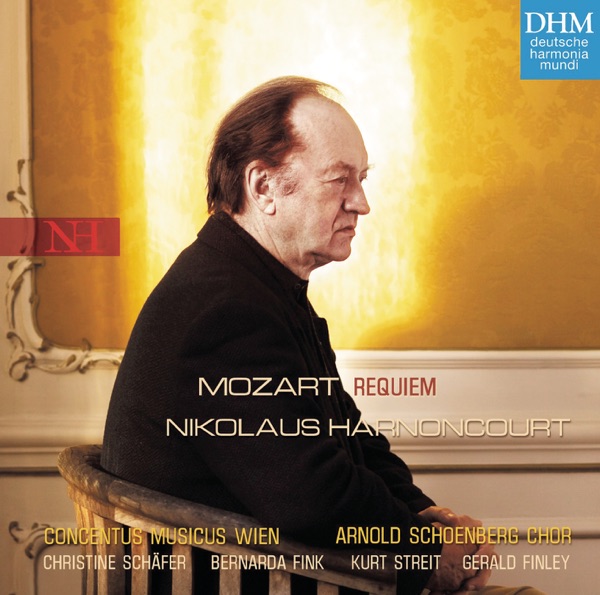
Requiem, K. 626: III. Sequentia "Dies Irae"
Nikolaus Harnoncourt, Arnold Schoenberg Choir, Erwin Ortner & Concentus Musicus Wien · Mozart: Requiem, K. 626
Trembling, reverent music confronting judgment and the holiness of God.
Where the words land
Signal: Edifying.
What do these signals mean?
- Edifying: Points the heart toward God, truth, hope, or love.
- Worth Weighing: Real good and real concern together. Test it before you take it in.
- Strained: Strains against Scripture: leans toward what could dull or mislead.
- At Odds: At odds with Scripture: celebrates what it warns against. Little here builds up.
Weighed against Scripture
“The great Day of the LORD is near — near and coming quickly. Listen, the Day of the LORD! Then the cry of the mighty will be bitter. That day will be a day of wrath, a day of trouble and distress, a day of destruction and desolation, a day of darkness and gloom, a day of clouds and blackness, a day of horn blast and battle cry against the fortified cities, and against the high corner towers.”
The Dies Irae text itself draws directly from this prophetic image of 'the great day of the Lord,' a day of wrath and trumpet blast.
“Then I saw a great white throne and the One seated on it. Earth and heaven fled from His presence, and no place was found for them. And I saw the dead, great and small, standing before the throne. And books were opened, and one of them was the Book of Life. And the dead were judged according to their deeds, as recorded in the books.”
The movement's portrayal of books being opened and the dead called to account mirrors this vision of final judgment before God's throne.
“If You, O LORD, kept track of iniquities, then who, O Lord, could stand? But with You there is forgiveness, so that You may be feared.”
The plea embedded later in the Requiem for mercy despite unworthiness echoes this psalm's cry that none could stand if God marked iniquities.
For we know Him who said, “Vengeance is Mine; I will repay,” and again, “The Lord will judge His people.” It is a fearful thing to fall into the hands of the living God.
The trembling awe of the music matches this warning that it is a fearful thing to fall into the hands of the living God.
In short
This is the fearsome heart of Mozart's Requiem, setting the medieval Latin hymn on the Day of Judgment to music of overwhelming power. It does not wallow in despair but confronts the listener with the reality of divine justice, trumpets sounding, books opened, every soul called to account. The darkness here serves reverence, not nihilism, pointing toward the holiness and righteousness of God.
What do these ratings mean?
- Lyrical content, what the words say on the surface. Clean: nothing coarse, sexual or violent. Mild: a trace of it, by allusion or a rare word. Strong: profanity, sex or violence in plain words. Explicit: graphic, or sin held up to admire.
- Spiritual posture, where the song's heart points. God-honoring: toward God, truth or hope. Searching: honestly reaching or wrestling toward truth, without arriving. Neutral: spiritually indifferent; neither reaches nor rejects. Dark: despairing, nihilistic, self-exalting or hostile to God.
- Apparent intent, what the song is for. Edifying: worship, encouragement, honest lament. Cathartic: letting grief, anger or longing out, told honestly. Ambiguous: hard to say what the song is for. Harmful: celebrates evil, mocks faith or draws toward sin.
Does contemplating the reality of judgment draw you toward reverence, repentance, or gratitude for mercy?
An AI-assisted reading. It can misread a lyric, a metaphor or a song’s intent.
