Respect
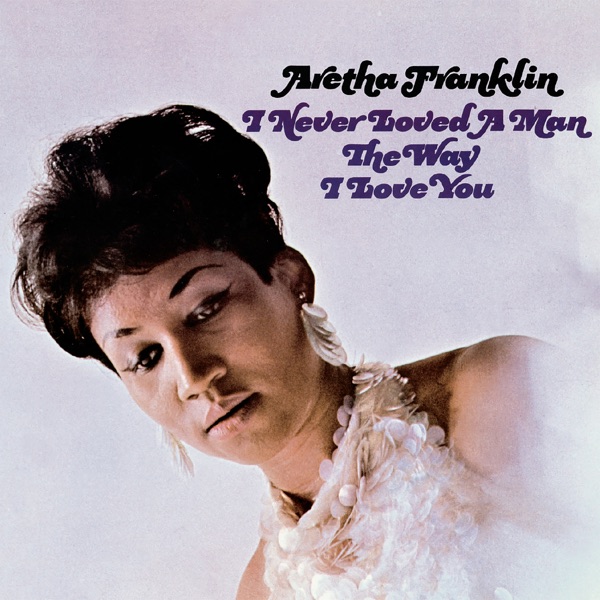
Aretha Franklin · I Never Loved a Man the Way I Love You
A confident call for mutual honor and fairness in love.
Where the words land
Signal: Edifying.
What do these signals mean?
- Edifying: Points the heart toward God, truth, hope, or love.
- Worth Weighing: Real good and real concern together. Test it before you take it in.
- Strained: Strains against Scripture: leans toward what could dull or mislead.
- At Odds: At odds with Scripture: celebrates what it warns against. Little here builds up.
Weighed against Scripture
“All I'm askin' is for a little respect”
“Be devoted to one another in brotherly love. Outdo yourselves in honoring one another.”
Her plea for mutual honor reflects the call to outdo one another in showing honor within relationships.
“I ain't gon' do you wrong while you're gone”
“Love is patient, love is kind. It does not envy, it does not boast, it is not proud. It is not rude, it is not self-seeking, it is not easily angered, it keeps no account of wrongs. Love takes no pleasure in evil, but rejoices in the truth. It bears all things, believes all things, hopes all things, endures all things.”
Her vow of faithfulness while her partner is away echoes love's quality of trust and loyalty.
“find out what it means to me”
“Nevertheless, each one of you also must love his wife as he loves himself, and the wife must respect her husband.”
The demand to be respected within a committed relationship resonates with the mutual call to love and respect between partners.
In short
This is a joyful, assertive anthem about demanding dignity and fairness in a relationship rather than settling for being taken for granted. It's not spiritually weighty, but its heart, insisting that love include honor and reciprocity, is a healthy one. The playful innuendo (money, kisses) keeps it grounded in human romance rather than anything corrosive.
- Spiritual posture
The song isn't reaching toward or away from God; it's a declaration of self-worth and mutual honor within a relationship.
What do these ratings mean?
- Lyrical content, what the words say on the surface. Clean: nothing coarse, sexual or violent. Mild: a trace of it, by allusion or a rare word. Strong: profanity, sex or violence in plain words. Explicit: graphic, or sin held up to admire.
- Spiritual posture, where the song's heart points. God-honoring: toward God, truth or hope. Searching: honestly reaching or wrestling toward truth, without arriving. Neutral: spiritually indifferent; neither reaches nor rejects. Dark: despairing, nihilistic, self-exalting or hostile to God.
- Apparent intent, what the song is for. Edifying: worship, encouragement, honest lament. Cathartic: letting grief, anger or longing out, told honestly. Ambiguous: hard to say what the song is for. Harmful: celebrates evil, mocks faith or draws toward sin.
Does this song's call for mutual respect challenge you to think about how you treat those closest to you?
An AI-assisted reading. It can misread a lyric, a metaphor or a song’s intent.


