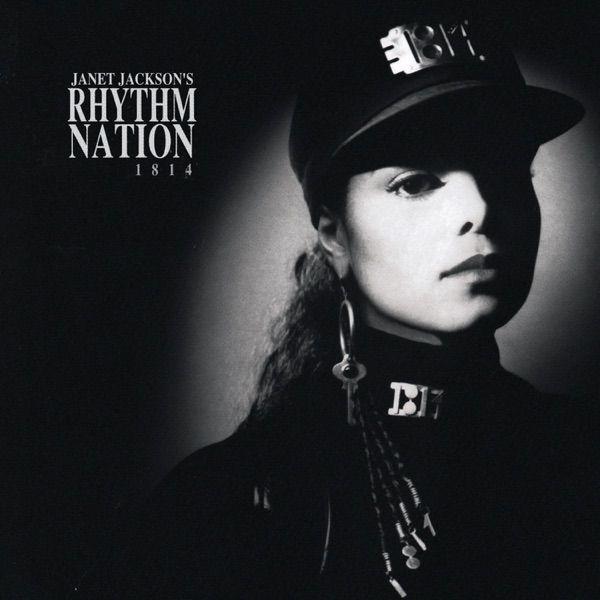
Rhythm Nation
Janet Jackson · Rhythm Nation 1814
An earnest call to unity and justice, hopeful though horizontally focused.
Where the words land
Signal: Edifying.
What do these signals mean?
- Edifying: Points the heart toward God, truth, hope, or love.
- Worth Weighing: Real good and real concern together. Test it before you take it in.
- Strained: Strains against Scripture: leans toward what could dull or mislead.
- At Odds: At odds with Scripture: celebrates what it warns against. Little here builds up.
Weighed against Scripture
“To break the color lines”
“There is neither Jew nor Greek, slave nor free, male nor female, for you are all one in Christ Jesus.”
The song's vision of breaking racial division mirrors Paul's declaration that in Christ such divisions are dissolved.
“Lend a hand to help your brother do it's best”
“Carry one another’s burdens, and in this way you will fulfill the law of Christ.”
The exhortation to lend a hand reflects the biblical call to bear one another's burdens.
The song as a whole
Learn to do right; seek justice and correct the oppressor. Defend the fatherless and plead the case of the widow.”
The call to resist injustice and seek a better way echoes the prophetic command to seek justice and defend the oppressed.
“He has shown you, O man, what is good. And what does the LORD require of you but to act justly, to love mercy, and to walk humbly with your God?”
The song calls for justice and unity through human strength in numbers alone, while Scripture roots such action in walking humbly with God, a dimension the song does not name.
In short
This is a dance-pop anthem calling people to set aside racial division and work together for justice and a better world. Its heart is earnest and hopeful, built on solidarity and collective effort rather than despair or selfishness. It doesn't reach toward God explicitly, resting its hope in human unity and willpower, but its themes of justice and brotherhood align with biblical concern for the oppressed.
- Spiritual posture
The song reaches toward human solidarity and moral improvement but does not point beyond humanity itself for the source of hope or change.
What do these ratings mean?
- Lyrical content, what the words say on the surface. Clean: nothing coarse, sexual or violent. Mild: a trace of it, by allusion or a rare word. Strong: profanity, sex or violence in plain words. Explicit: graphic, or sin held up to admire.
- Spiritual posture, where the song's heart points. God-honoring: toward God, truth or hope. Searching: honestly reaching or wrestling toward truth, without arriving. Neutral: spiritually indifferent; neither reaches nor rejects. Dark: despairing, nihilistic, self-exalting or hostile to God.
- Apparent intent, what the song is for. Edifying: worship, encouragement, honest lament. Cathartic: letting grief, anger or longing out, told honestly. Ambiguous: hard to say what the song is for. Harmful: celebrates evil, mocks faith or draws toward sin.
Where do you find the ultimate source of the justice and unity this song calls for?
An AI-assisted reading. It can misread a lyric, a metaphor or a song’s intent.