Runaway Train
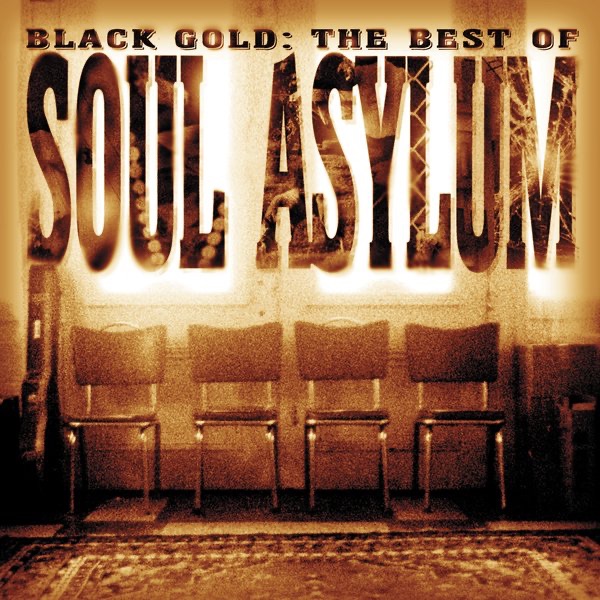
Soul Asylum · Black Gold: The Best of Soul Asylum
An honest cry from inside depression that never quite finds the way out.
Where the words land
Signal: Strained, leaning worth weighing.
What do these signals mean?
- Edifying: Points the heart toward God, truth, hope, or love.
- Worth Weighing: Real good and real concern together. Test it before you take it in.
- Strained: Strains against Scripture: leans toward what could dull or mislead.
- At Odds: At odds with Scripture: celebrates what it warns against. Little here builds up.
Weighed against Scripture
“It seems no one can help me now”
“Why are you downcast, O my soul? Why the unease within me? Put your hope in God, for I will yet praise Him for the salvation of His presence.”
The psalmist speaks to his own despairing soul much like this narrator, naming the hopelessness directly rather than hiding it.
“Can you help me remember how to smile”
“How long, O LORD? Will You forget me forever? How long will You hide Your face from me? How long must I wrestle in my soul, with sorrow in my heart each day? How long will my enemy dominate me?”
A raw cry for relief from sorrow, reaching outward for help rather than resigning to despair alone.
“Just easier than dealin' with the pain”
“For what does a man get for all the toil and striving with which he labors under the sun? Indeed, all his days are filled with grief, and his task is sorrowful; even at night, his mind does not rest. This too is futile.”
Names the exhaustion of carrying unresolved pain, a weariness the Preacher also voices without false cheer.
The song as a whole
“Remember my affliction and wandering, the wormwood and the gall. Surely my soul remembers and is humbled within me. Yet I call this to mind, and therefore I have hope: Because of the loving devotion of the LORD we are not consumed, for His mercies never fail. They are new every morning; great is Your faithfulness!”
Where the song ends in repetition without resolution, this passage turns the same affliction toward renewed hope, a turn the song never quite makes.
In short
This song is an honest, almost claustrophobic portrait of depression: feeling jaded, out of control, and unable to land anywhere solid. It doesn't glamorize the pain or offer an easy escape, but it also doesn't find its way to hope by the end, just repetition and exhaustion.
- Spiritual posture
The narrator feels lost, jaded, and out of control, openly admitting confusion and pain rather than masking it, reaching for someone to help them feel whole again.
- Apparent intent
Written and used (including its famous video highlighting missing children) to voice isolation and depression honestly, aiming to connect rather than glamorize despair.
What do these ratings mean?
- Lyrical content, what the words say on the surface. Clean: nothing coarse, sexual or violent. Mild: a trace of it, by allusion or a rare word. Strong: profanity, sex or violence in plain words. Explicit: graphic, or sin held up to admire.
- Spiritual posture, where the song's heart points. God-honoring: toward God, truth or hope. Searching: honestly reaching or wrestling toward truth, without arriving. Neutral: spiritually indifferent; neither reaches nor rejects. Dark: despairing, nihilistic, self-exalting or hostile to God.
- Apparent intent, what the song is for. Edifying: worship, encouragement, honest lament. Cathartic: letting grief, anger or longing out, told honestly. Ambiguous: hard to say what the song is for. Harmful: celebrates evil, mocks faith or draws toward sin.
Does this song's honesty about feeling stuck help you name what you're carrying, or does it risk leaving you circling with no light at the end?
An AI-assisted reading. It can misread a lyric, a metaphor or a song’s intent.


