S.C.A.V.A.
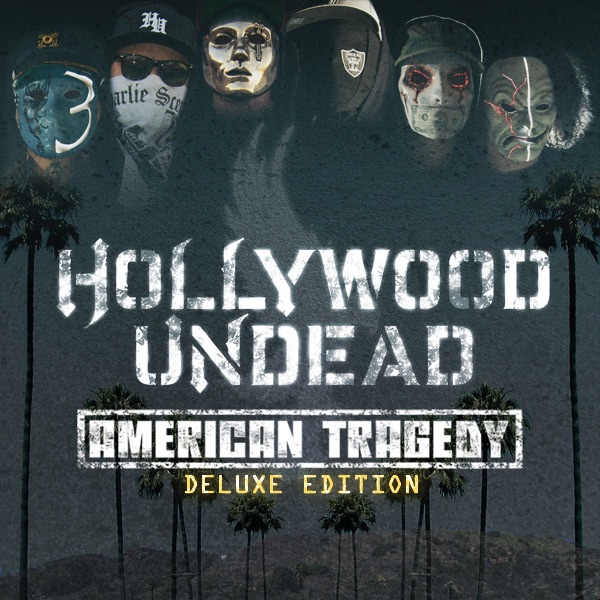
Hollywood Undead · American Tragedy (Deluxe Edition)
A dying man's unanswered prayer, honest but unresolved.
Where the words land
Signal: Worth Weighing, leaning edifying.
What do these signals mean?
- Edifying: Points the heart toward God, truth, hope, or love.
- Worth Weighing: Real good and real concern together. Test it before you take it in.
- Strained: Strains against Scripture: leans toward what could dull or mislead.
- At Odds: At odds with Scripture: celebrates what it warns against. Little here builds up.
Weighed against Scripture
“Now repent 'cause it's all over”
“The Lord is not slow in keeping His promise as some understand slowness, but is patient with you, not wanting anyone to perish but everyone to come to repentance. But the Day of the Lord will come like a thief. The heavens will disappear with a roar, the elements will be destroyed by fire, and the earth and its works will be laid bare.”
The song's apocalyptic call to repent before the end mirrors Peter's warning about the day of the Lord coming suddenly.
“Gave all my hope away, isn't any left for me?”
“Why are you downcast, O my soul? Why the unease within me? Put your hope in God, for I will yet praise Him for the salvation of His presence.”
The question of whether any hope remains echoes the psalmist's own self-interrogation in the depths of despair.
“I know I'll sin again, but who can save me twice?”
“What a wretched man I am! Who will rescue me from this body of death? Thanks be to God, through Jesus Christ our Lord! So then, with my mind I serve the law of God, but with my flesh I serve the law of sin.”
Paul's cry of 'who will deliver me' matches the narrator's admission that he cannot save himself from repeated sin.
“The spirit of God just passes right through you”
So the LORD said, “My Spirit will not contend with man forever, for he is mortal; his days shall be 120 years.”
Where the lyric suggests the Spirit leaves without effect, Scripture presents the Spirit's presence as striving with humanity, not merely passing through.
The song as a whole
“Lord,” said Thomas, “we do not know where You are going, so how can we know the way?” Jesus answered, “I am the way and the truth and the life. No one comes to the Father except through Me.
The repeated uncertainty about where the dying go stands against Jesus' claim to be the way, offering an answer the song never reaches.
Words of Christ are set in red.
In short
This is a death-bed reckoning dressed in apocalyptic imagery, a man facing his mortality and asking God hard, unresolved questions about sin, love, and what comes next. It doesn't arrive at peace, but it doesn't glorify despair either; it ends mid-prayer, uncertain but reaching upward. The honesty here resembles lament more than nihilism.
- Lyrical content
No profanity or explicit content; imagery of apocalypse, death, and a broken body carried toward light.
- Spiritual posture
The narrator wavers between despair and a real reach toward God, asking honest questions about sin, judgment, and where the soul goes after death.
- Apparent intent
Feels like an end-of-life reckoning, written to process mortality and guilt rather than glamorize despair; it ends mid-question, reaching rather than resolving.
What do these ratings mean?
- Lyrical content, what the words say on the surface. Clean: nothing coarse, sexual or violent. Mild: a trace of it, by allusion or a rare word. Strong: profanity, sex or violence in plain words. Explicit: graphic, or sin held up to admire.
- Spiritual posture, where the song's heart points. God-honoring: toward God, truth or hope. Searching: honestly reaching or wrestling toward truth, without arriving. Neutral: spiritually indifferent; neither reaches nor rejects. Dark: despairing, nihilistic, self-exalting or hostile to God.
- Apparent intent, what the song is for. Edifying: worship, encouragement, honest lament. Cathartic: letting grief, anger or longing out, told honestly. Ambiguous: hard to say what the song is for. Harmful: celebrates evil, mocks faith or draws toward sin.
Does this song's honest uncertainty draw you toward seeking answers, or leave you comfortable sitting in the question?
An AI-assisted reading. It can misread a lyric, a metaphor or a song’s intent.


