Sail
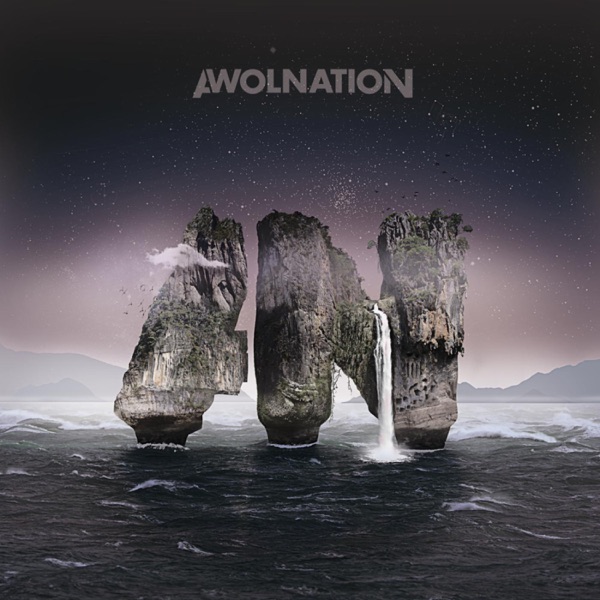
AWOLNATION · Megalithic Symphony
A brooding anthem that lingers in despair without reaching for light.
Where the words land
Signal: Strained, leaning at odds.
What do these signals mean?
- Edifying: Points the heart toward God, truth, hope, or love.
- Worth Weighing: Real good and real concern together. Test it before you take it in.
- Strained: Strains against Scripture: leans toward what could dull or mislead.
- At Odds: At odds with Scripture: celebrates what it warns against. Little here builds up.
Weighed against Scripture
“This is how an angel dies”
“How you have fallen from heaven, O day star, son of the dawn! You have been cut down to the ground, O destroyer of nations.”
The imagery of a fallen, dying angel echoes pride and ruin rather than any redemptive fall; the song treats collapse almost as aesthetic rather than tragedy.
“Maybe I should kill myself”
“For my soul is full of troubles, and my life draws near to Sheol. I am counted among those descending to the Pit. I am like a man without strength. I am forsaken among the dead, like the slain who lie in the grave, whom You remember no more, who are cut off from Your care. You have laid me in the lowest Pit, in the darkest of the depths.”
Psalm 88 is scripture's starkest lament, naming despair honestly, much like this line, but unlike the psalm it never turns toward God in the asking.
“Sail with me into the dark”
“The Light shines in the darkness, and the darkness has not overcome it.”
Where John declares light overcoming darkness, this song's refrain invites the listener to keep moving deeper into it, without any counterweight of hope.
The song as a whole
“So I hated life, because the work that is done under the sun was grievous to me. For everything is futile and a pursuit of the wind.”
The song's overall weariness and resignation toward life mirrors the Preacher's despair, but without his eventual turn toward meaning under God.
In short
Beneath its churning, anthemic sound, this song sits inside numbness and self-blame, using 'ADD' as a shrug for deeper despair. The chorus doesn't resolve into comfort, it just repeats the invitation to keep sailing into the dark. There's no turn toward hope, connection, or rescue, just atmosphere around the descent.
- Lyrical content
No profanity, but direct mention of suicidal thoughts and self-blame, repeated as a refrain.
- Spiritual posture
The song sits in numbness and self-destruction, deflecting responsibility ('blame it on my ADD') and inviting the listener further into darkness rather than out of it.
- Apparent intent
Built more as a brooding, atmospheric anthem than a clear message; the repetition of 'sail into the dark' reads as embracing descent rather than processing it toward light.
What do these ratings mean?
- Lyrical content, what the words say on the surface. Clean: nothing coarse, sexual or violent. Mild: a trace of it, by allusion or a rare word. Strong: profanity, sex or violence in plain words. Explicit: graphic, or sin held up to admire.
- Spiritual posture, where the song's heart points. God-honoring: toward God, truth or hope. Searching: honestly reaching or wrestling toward truth, without arriving. Neutral: spiritually indifferent; neither reaches nor rejects. Dark: despairing, nihilistic, self-exalting or hostile to God.
- Apparent intent, what the song is for. Edifying: worship, encouragement, honest lament. Cathartic: letting grief, anger or longing out, told honestly. Ambiguous: hard to say what the song is for. Harmful: celebrates evil, mocks faith or draws toward sin.
Does this song give voice to something you're feeling, or does it pull you further into a place you don't actually want to stay?
An AI-assisted reading. It can misread a lyric, a metaphor or a song’s intent.