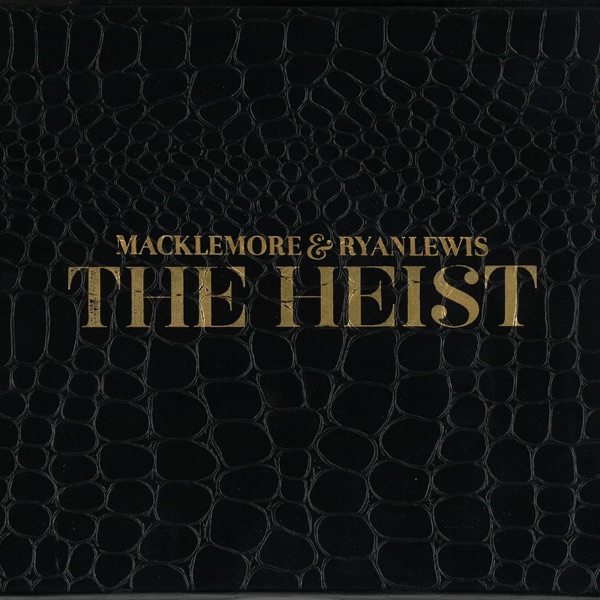
Same Love (feat. Mary Lambert)
Macklemore & Ryan Lewis · The Heist (Deluxe Edition)
Real compassion for the hurting wrapped around a theological case Scripture contests.
Where the words land
Signal: Strained, leaning worth weighing.
What do these signals mean?
- Edifying: Points the heart toward God, truth, hope, or love.
- Worth Weighing: Real good and real concern together. Test it before you take it in.
- Strained: Strains against Scripture: leans toward what could dull or mislead.
- At Odds: At odds with Scripture: celebrates what it warns against. Little here builds up.
Weighed against Scripture
“God loves all his children”
“Beloved, let us love one another, because love comes from God. Everyone who loves has been born of God and knows God. Whoever does not love does not know God, because God is love.”
The song is right that God's love extends to all people; this is a truth worth holding even while the song's larger argument moves elsewhere.
“Call each other faggots behind the keys of a message board”
“With the tongue we bless our Lord and Father, and with it we curse men, who have been made in God’s likeness. Out of the same mouth come blessing and cursing. My brothers, this should not be!”
Cursing people made in God's image with slurs is condemned regardless of who the target is; this critique of cruel speech aligns with Scripture.
“Whatever god you believe in, we come from the same one”
“You shall have no other gods before Me.”
Scripture does not treat all gods and beliefs as equivalent paths to the same source; this line flattens a distinction the Bible insists on.
“Love is patient, love is kind”
“Love is patient, love is kind. It does not envy, it does not boast, it is not proud. It is not rude, it is not self-seeking, it is not easily angered, it keeps no account of wrongs. Love takes no pleasure in evil, but rejoices in the truth. It bears all things, believes all things, hopes all things, endures all things.”
This passage describes love's character in a letter that elsewhere calls for sexual holiness; borrowing its words to settle an unrelated ethical question stretches it beyond its context.
The song as a whole
“For this reason God gave them over to dishonorable passions. Even their women exchanged natural relations for unnatural ones. Likewise, the men abandoned natural relations with women and burned with lust for one another. Men committed indecent acts with other men and received in themselves the due penalty for their error.”
The song's core argument, that same-sex attraction and relationship should be fully affirmed without reservation, runs counter to the historic Christian reading of passages like this one.
In short
This song pairs a genuine, needed rebuke of slurs and cruelty toward gay people with a theological argument that recasts Scripture to affirm same-sex relationships as equivalent to any other love. The compassion for bullied kids and anger at hateful 'Christian' rhetoric are real and worth hearing. But the song borrows biblical language (God's love, 1 Corinthians 13) to land on a conclusion that stands in real tension with what the Bible actually teaches about sexuality.
- Lyrical content
No profanity beyond quoting a slur to critique it; mostly narrative and argumentative in tone.
- Spiritual posture
Invokes God and quotes 1 Corinthians 13 but reframes Scripture to argue against the church's traditional sexual ethic, treating 'whatever god you believe in' as interchangeable and resisting the idea that same-sex desire is something to be stewarded rather than simply affirmed.
- Apparent intent
The artist's intent is compassionate: opposing cruelty, slurs, and bullying toward gay people, which is a real and legitimate concern. But the song also intentionally argues for a theological conclusion at odds with historic Christian teaching, using Scripture's language to do so.
What do these ratings mean?
- Lyrical content, what the words say on the surface. Clean: nothing coarse, sexual or violent. Mild: a trace of it, by allusion or a rare word. Strong: profanity, sex or violence in plain words. Explicit: graphic, or sin held up to admire.
- Spiritual posture, where the song's heart points. God-honoring: toward God, truth or hope. Searching: honestly reaching or wrestling toward truth, without arriving. Neutral: spiritually indifferent; neither reaches nor rejects. Dark: despairing, nihilistic, self-exalting or hostile to God.
- Apparent intent, what the song is for. Edifying: worship, encouragement, honest lament. Cathartic: letting grief, anger or longing out, told honestly. Ambiguous: hard to say what the song is for. Harmful: celebrates evil, mocks faith or draws toward sin.
Can you affirm the song's call to kindness and reject cruelty toward gay people without adopting its theological conclusion as your own?
An AI-assisted reading. It can misread a lyric, a metaphor or a song’s intent.