Shake It Off
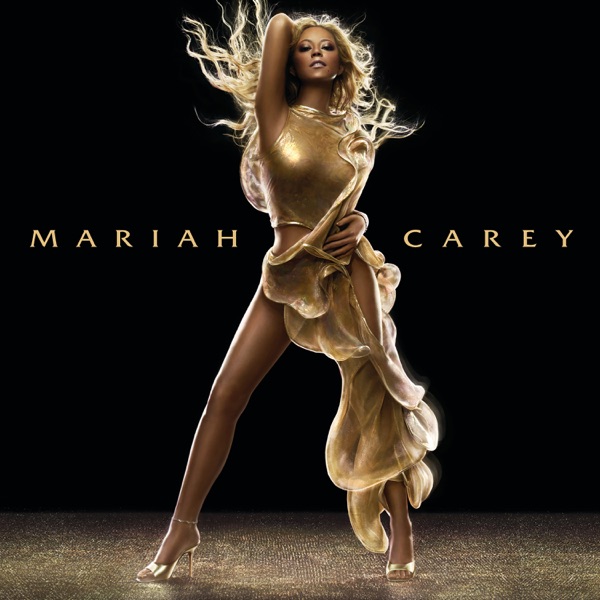
Mariah Carey · The Emancipation Of Mimi
Self-respect after betrayal, sung more as triumph than reflection.
Where the words land
Signal: Worth Weighing, leaning edifying.
What do these signals mean?
- Edifying: Points the heart toward God, truth, hope, or love.
- Worth Weighing: Real good and real concern together. Test it before you take it in.
- Strained: Strains against Scripture: leans toward what could dull or mislead.
- At Odds: At odds with Scripture: celebrates what it warns against. Little here builds up.
Weighed against Scripture
“Cause the lovin' ain't the same, and you keep on playing games”
“Love is patient, love is kind. It does not envy, it does not boast, it is not proud. It is not rude, it is not self-seeking, it is not easily angered, it keeps no account of wrongs. Love takes no pleasure in evil, but rejoices in the truth.”
The song names the relationship's failure to meet real love's standard, though it stops at anger rather than describing what love should look like.
“You would cheat with all your freaks and lie compulsively”
“He who commits adultery lacks judgment; whoever does so destroys himself. Wounds and dishonor will befall him, and his reproach will never be wiped away.”
Scripture also treats unfaithfulness as destructive and worth naming plainly, validating her grief over betrayal.
“Cause I need a real love in my life”
“There is no fear in love, but perfect love drives out fear, because fear involves punishment. The one who fears has not been perfected in love. We love because He first loved us.”
Her longing for a love without fear or deception points, even without naming it, toward the kind of secure love Scripture says has its source in God.
The song as a whole
“A wise man fears and turns from evil, but a fool is careless and reckless.”
Her exit carries a note of triumphant vengeance (taking the car, gloating about his loss) rather than the sober departure wisdom commends.
In short
This is a breakup song about catching a cheating partner and choosing self-worth over staying in a broken relationship. It's defiant and danceable rather than reflective, more about moving on than processing pain deeply. There's genuine wisdom in refusing to stay where you're disrespected, but the song lingers a bit in score-settling (grabbing his car, rubbing in what he'll miss) rather than grace or growth.
- Spiritual posture
The posture is self-reliance and self-respect rather than anything God-ward or despairing; it's about reclaiming dignity after betrayal, not wrestling with deeper meaning.
- Apparent intent
A breakup anthem meant to empower a wronged partner to walk away and feel good doing it, not to wound or glorify the sin that caused the breakup.
What do these ratings mean?
- Lyrical content, what the words say on the surface. Clean: nothing coarse, sexual or violent. Mild: a trace of it, by allusion or a rare word. Strong: profanity, sex or violence in plain words. Explicit: graphic, or sin held up to admire.
- Spiritual posture, where the song's heart points. God-honoring: toward God, truth or hope. Searching: honestly reaching or wrestling toward truth, without arriving. Neutral: spiritually indifferent; neither reaches nor rejects. Dark: despairing, nihilistic, self-exalting or hostile to God.
- Apparent intent, what the song is for. Edifying: worship, encouragement, honest lament. Cathartic: letting grief, anger or longing out, told honestly. Ambiguous: hard to say what the song is for. Harmful: celebrates evil, mocks faith or draws toward sin.
Does this song help you walk away from something unhealthy, or does it mostly feed the satisfaction of getting the last word?
An AI-assisted reading. It can misread a lyric, a metaphor or a song’s intent.