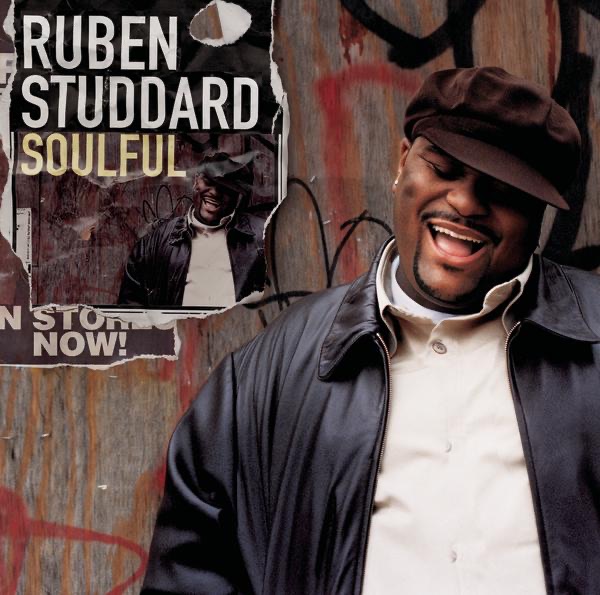
Sorry 2004
Ruben Studdard · Soulful
A catchy apology that may be more pattern than repentance.
Where the words land
Signal: Worth Weighing, leaning strained.
What do these signals mean?
- Edifying: Points the heart toward God, truth, hope, or love.
- Worth Weighing: Real good and real concern together. Test it before you take it in.
- Strained: Strains against Scripture: leans toward what could dull or mislead.
- At Odds: At odds with Scripture: celebrates what it warns against. Little here builds up.
Weighed against Scripture
“Drink water from your own cistern, and running water from your own well. Why should your springs flow in the streets, your streams of water in the public squares? Let them be yours alone, never to be shared with strangers. May your fountain be blessed, and may you rejoice in the wife of your youth:”
The song treats giving up these habits as a casual bargaining chip rather than the wholehearted devotion to one's spouse Scripture calls for.
“As a dog returns to its vomit, so a fool repeats his folly.”
Repeated apology without change mirrors the folly of returning to the same wrongs rather than true repentance that bears fruit.
“Therefore each of you must put off falsehood and speak truthfully to his neighbor, for we are all members of one another.”
Naming dishonesty as something to repent of aligns with the call to put away falsehood in relationships.
“Love is patient, love is kind. It does not envy, it does not boast, it is not proud. It is not rude, it is not self-seeking, it is not easily angered, it keeps no account of wrongs. Love takes no pleasure in evil, but rejoices in the truth. It bears all things, believes all things, hopes all things, endures all things.”
The song's vision of love is built on cycles of failure and apology rather than the patient, faithful love Scripture describes as love's true shape.
In short
This is a secular love song about repeated infidelity and broken promises, wrapped in a catchy, remorseful apology. The sorrow feels genuine in tone, but the lyrics also hint at a pattern of repeated failure (strip clubs, drinking, forgotten commitments) that undercuts the promise of change. It's more about relational regret than any spiritual reckoning.
- Lyrical content
A couple of mild references to drinking and strip clubs/hot tubs, otherwise clean romantic R&B language.
- Spiritual posture
Entirely focused on romantic apology and repentance toward a partner, not oriented toward God, but not hostile or despairing either.
- Apparent intent
Seems meant as a heartfelt relational apology song, though the repeated promise to quit infidelity-adjacent behavior raises questions about sincerity versus pattern.
What do these ratings mean?
- Lyrical content, what the words say on the surface. Clean: nothing coarse, sexual or violent. Mild: a trace of it, by allusion or a rare word. Strong: profanity, sex or violence in plain words. Explicit: graphic, or sin held up to admire.
- Spiritual posture, where the song's heart points. God-honoring: toward God, truth or hope. Searching: honestly reaching or wrestling toward truth, without arriving. Neutral: spiritually indifferent; neither reaches nor rejects. Dark: despairing, nihilistic, self-exalting or hostile to God.
- Apparent intent, what the song is for. Edifying: worship, encouragement, honest lament. Cathartic: letting grief, anger or longing out, told honestly. Ambiguous: hard to say what the song is for. Harmful: celebrates evil, mocks faith or draws toward sin.
Does this song's sorrow look like true change, or just another lap around the same mistakes?
An AI-assisted reading. It can misread a lyric, a metaphor or a song’s intent.