Stick Season
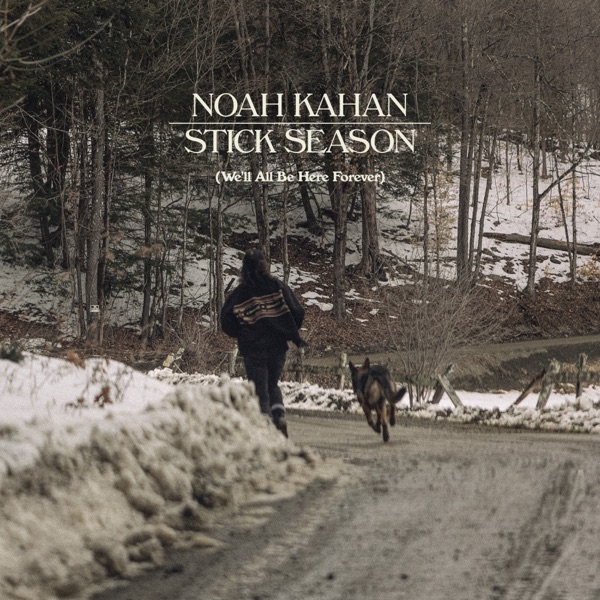
Noah Kahan · Stick Season (We'll All Be Here Forever)
Honest heartbreak that numbs itself more than it heals.
Where the words land
Signal: Worth Weighing, leaning strained.
What do these signals mean?
- Edifying: Points the heart toward God, truth, hope, or love.
- Worth Weighing: Real good and real concern together. Test it before you take it in.
- Strained: Strains against Scripture: leans toward what could dull or mislead.
- At Odds: At odds with Scripture: celebrates what it warns against. Little here builds up.
Weighed against Scripture
“I thought that if I piled something good on all my bad”
“I do not understand what I do. For what I want to do, I do not do. But what I hate, I do. And if I do what I do not want to do, I admit that the law is good. In that case, it is no longer I who do it, but it is sin living in me that does it. I know that nothing good lives in me, that is, in my flesh; for I have the desire to do what is good, but I cannot carry it out. For I do not do the good I want to do. Instead, I keep on doing the evil I do not want to do.”
Paul's wrestling with wanting to do good but failing mirrors the narrator's honest confession of self-sabotage and inherited brokenness.
“It's half my fault, but I just like to play the victim”
When I kept silent, my bones became brittle from my groaning all day long. For day and night Your hand was heavy upon me; my strength was drained as in the summer heat. Selah Then I acknowledged my sin to You and did not hide my iniquity. I said, “I will confess my transgressions to the LORD,” and You forgave the guilt of my sin. Selah
David's acknowledgment of unconfessed guilt weighing on him resonates with the narrator's admission of fault even while resisting full accountability.
The song as a whole
“Give strong drink to one who is perishing, and wine to the bitter in soul. Let him drink and forget his poverty, and remember his misery no more.”
The song reaches for substances to dull memory, while Proverbs names this exact pattern of numbing sorrow rather than facing it.
“Why are you downcast, O my soul? Why the unease within me? Put your hope in God, for I will yet praise Him for the salvation of His presence.”
The psalmist commands his soul to hope in God despite despair, while the narrator's hope here is fragile and self-directed, with no anchor beyond the pain itself.
In short
This is a breakup song soaked in guilt, nostalgia, and quiet self-sabotage. The narrator knows he's partly to blame but leans into numbing (weed, alcohol) rather than resolution, and the ending offers only a doubtful hope rather than real relief. It's emotionally honest but doesn't point anywhere beyond the ache itself.
- Lyrical content
No profanity; references weed and drinking to cope with heartbreak, plus candid self-blame and family pain.
- Spiritual posture
The narrator is honest about his failures and generational hurt, aching for relief but unsure it's coming.
- Apparent intent
A raw breakup song meant to process grief, guilt, and self-awareness rather than glamorize numbing behavior.
What do these ratings mean?
- Lyrical content, what the words say on the surface. Clean: nothing coarse, sexual or violent. Mild: a trace of it, by allusion or a rare word. Strong: profanity, sex or violence in plain words. Explicit: graphic, or sin held up to admire.
- Spiritual posture, where the song's heart points. God-honoring: toward God, truth or hope. Searching: honestly reaching or wrestling toward truth, without arriving. Neutral: spiritually indifferent; neither reaches nor rejects. Dark: despairing, nihilistic, self-exalting or hostile to God.
- Apparent intent, what the song is for. Edifying: worship, encouragement, honest lament. Cathartic: letting grief, anger or longing out, told honestly. Ambiguous: hard to say what the song is for. Harmful: celebrates evil, mocks faith or draws toward sin.
Does this song's honesty about pain leave you more aware of where real healing might come from, or just sitting in the ache?
An AI-assisted reading. It can misread a lyric, a metaphor or a song’s intent.