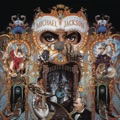
Sukiyaki
4 P.M.
A gentle, honest ache over love lost, nothing more, nothing less.
Where the words land
Signal: Edifying, leaning worth weighing.
What do these signals mean?
- Edifying: Points the heart toward God, truth, hope, or love.
- Worth Weighing: Real good and real concern together. Test it before you take it in.
- Strained: Strains against Scripture: leans toward what could dull or mislead.
- At Odds: At odds with Scripture: celebrates what it warns against. Little here builds up.
Weighed against Scripture
“I love you so, how much you'll never know”
“Set me as a seal over your heart, as a seal upon your arm. For love is as strong as death, its jealousy as unrelenting as Sheol. Its sparks are fiery flames, the fiercest blaze of all. Mighty waters cannot quench love; rivers cannot sweep it away. If a man were to give all the wealth of his house for love, his offer would be utterly scorned.”
The intensity of love described here mirrors the song's ache over a love once strong, reminding us love's depth is real even when it ends in sorrow.
“Now my eyes are filled with tears”
“I am weary from groaning; all night I flood my bed with weeping and drench my couch with tears.”
The psalmist's nightly weeping parallels this singer's tears over absence, both giving honest voice to grief rather than hiding it.
“you and I will never be”
“To everything there is a season, and a time for every purpose under heaven: a time to be born and a time to die, a time to plant and a time to uproot, a time to kill and a time to heal, a time to break down and a time to build, a time to weep and a time to laugh, a time to mourn and a time to dance,”
The acceptance of a season now ended reflects this passage's wisdom that there is a time to lose and a time to mourn.
In short
This is a tender, simple song of heartbreak, missing someone who has left and wishing things could be different. It doesn't moralize or resolve the sorrow, it just sits in the ache of lost love. There's nothing destructive here, just honest human longing.
- Spiritual posture
The song stays within romantic grief, it doesn't reach toward God or despair in a destructive way, just human sorrow over lost love.
- Apparent intent
Written to express the ache of lost romance, giving voice to heartbreak rather than glamorizing or resolving it.
What do these ratings mean?
- Lyrical content, what the words say on the surface. Clean: nothing coarse, sexual or violent. Mild: a trace of it, by allusion or a rare word. Strong: profanity, sex or violence in plain words. Explicit: graphic, or sin held up to admire.
- Spiritual posture, where the song's heart points. God-honoring: toward God, truth or hope. Searching: honestly reaching or wrestling toward truth, without arriving. Neutral: spiritually indifferent; neither reaches nor rejects. Dark: despairing, nihilistic, self-exalting or hostile to God.
- Apparent intent, what the song is for. Edifying: worship, encouragement, honest lament. Cathartic: letting grief, anger or longing out, told honestly. Ambiguous: hard to say what the song is for. Harmful: celebrates evil, mocks faith or draws toward sin.
Does this song's honest sadness remind you to bring your own griefs, romantic or otherwise, honestly before God?
An AI-assisted reading. It can misread a lyric, a metaphor or a song’s intent.