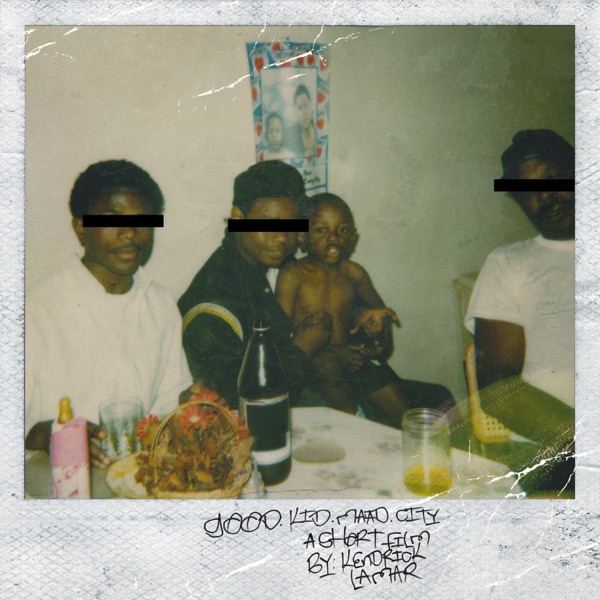
Swimming Pools (Drank) [Extended Version]
Kendrick Lamar · good kid, m.A.A.d city (Deluxe Version)
A turn-up chant hiding a sober warning about drowning in drink.
Where the words land
Signal: Strained, leaning worth weighing.
What do these signals mean?
- Edifying: Points the heart toward God, truth, hope, or love.
- Worth Weighing: Real good and real concern together. Test it before you take it in.
- Strained: Strains against Scripture: leans toward what could dull or mislead.
- At Odds: At odds with Scripture: celebrates what it warns against. Little here builds up.
Weighed against Scripture
“Granddaddy had the golden flask, backstroke every day in Chicago”
“Who has woe? Who has sorrow? Who has contentions? Who has complaints? Who has needless wounds? Who has bloodshot eyes? Those who linger over wine, who go to taste mixed drinks.”
The song names inherited, generational drinking as sorrow, exactly what this proverb diagnoses before warning against it.
“Some people wanna kill their sorrows”
“Woe to those who rise early in the morning in pursuit of strong drink, who linger into the evening, to be inflamed by wine.”
Isaiah condemns chasing drink from dawn to dusk; the song admits this is the exact trap people fall into, even while glamorizing it sonically.
“If I take another one down, I'ma drown in some poison”
“Do not get drunk on wine, which leads to reckless indiscretion. Instead, be filled with the Spirit.”
Paul's warning against drunkenness as dissipation is precisely the drowning the narrator fears here, named in his own words.
The song as a whole
“Wine is a mocker, strong drink is a brawler, and whoever is led astray by them is not wise.”
The conscience voice warning Kendrick mirrors the proverb's blunt caution that strong drink leads the deceived astray.
“Fools, in their rebellious ways, and through their iniquities, suffered affliction. They loathed all food and drew near to the gates of death. Then they cried out to the LORD in their trouble, and He saved them from their distress. He sent forth His word and healed them; He rescued them from the Pit.”
The psalm's picture of suffering under self-inflicted affliction and crying out to be rescued fits the song's buried plea beneath the party noise.
In short
On the surface this plays as a drinking anthem with an infectious chant, but Kendrick embeds an anguished conscience dialogue warning him he's drowning. It's less a celebration of alcohol than a confession of how peer pressure and inherited habits of coping can sweep someone under before they realize it. The tension between the hook and the verses is the whole point.
- Lyrical content
Repeated drinking chants and language of getting 'f**ked up' and 'faded', with a closing verse of gunshots; surface level sounds like a party anthem.
- Spiritual posture
Underneath the hook is real anguish: family history of alcoholism, peer pressure, and a conscience voice warning of self-destruction and drowning.
- Apparent intent
Kendrick has said this is an anti-binge-drinking song disguised as a turn-up anthem; the conscience verse is the key that the hook is meant to be heard ironically.
What do these ratings mean?
- Lyrical content, what the words say on the surface. Clean: nothing coarse, sexual or violent. Mild: a trace of it, by allusion or a rare word. Strong: profanity, sex or violence in plain words. Explicit: graphic, or sin held up to admire.
- Spiritual posture, where the song's heart points. God-honoring: toward God, truth or hope. Searching: honestly reaching or wrestling toward truth, without arriving. Neutral: spiritually indifferent; neither reaches nor rejects. Dark: despairing, nihilistic, self-exalting or hostile to God.
- Apparent intent, what the song is for. Edifying: worship, encouragement, honest lament. Cathartic: letting grief, anger or longing out, told honestly. Ambiguous: hard to say what the song is for. Harmful: celebrates evil, mocks faith or draws toward sin.
Does the party-chant hook risk drowning out the warning verse for listeners who only hear the beat?
An AI-assisted reading. It can misread a lyric, a metaphor or a song’s intent.


