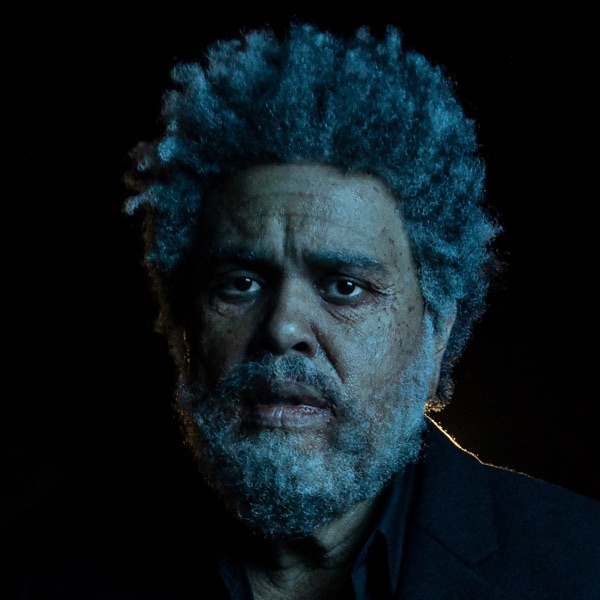
Take My Breath
The Weeknd · Dawn FM
Glamorizes risky passion as transcendence, barely pausing on the danger it names.
Where the words land
Signal: Strained, leaning at odds.
What do these signals mean?
- Edifying: Points the heart toward God, truth, hope, or love.
- Worth Weighing: Real good and real concern together. Test it before you take it in.
- Strained: Strains against Scripture: leans toward what could dull or mislead.
- At Odds: At odds with Scripture: celebrates what it warns against. Little here builds up.
Weighed against Scripture
“I know temptation is the devil in disguise”
“But each one is tempted when by his own evil desires he is lured away and enticed. Then after desire has conceived, it gives birth to sin; and sin, when it is full-grown, gives birth to death.”
The song names temptation directly even as it leans into it, a rare moment of honesty about what's actually happening.
“You're way too young to end your life, huh”
“He follows her on impulse, like an ox going to the slaughter, like a deer bounding into a trap, until an arrow pierces his liver, like a bird darting into a snare— not knowing it will cost him his life.”
Proverbs warns that this kind of reckless passion leads unknowingly toward death, exactly the danger this line gestures at but doesn't turn away from.
“Bring me close to heaven, babe”
“Flee from sexual immorality. Every other sin a man can commit is outside his body, but he who sins sexually sins against his own body. Do you not know that your body is a temple of the Holy Spirit who is in you, whom you have received from God? You are not your own; you were bought at a price. Therefore glorify God with your body.”
The body is described as a temple meant for honor, not a vehicle for chasing a high through risk and self-erasure.
The song as a whole
I said to myself, “Come now, I will test you with pleasure; enjoy what is good!” But it proved to be futile. I said of laughter, “It is folly,” and of pleasure, “What does it accomplish?”
Solomon's experiment in pleasure-seeking ends in emptiness, a sober counterpoint to a song that treats 'the edge' as the whole point.
In short
This is a song about chasing intensity through desire that edges toward danger, where losing control is treated as romantic. The 'too young to end your life' line briefly surfaces real risk, but the song quickly returns to the thrill rather than sitting with the warning. It's seductive, moody, and emotionally charged, but offers little beyond the high itself.
- Lyrical content
Heavy sexual innuendo and imagery of risk, heat, and edge-play, framed as seduction rather than explicit description.
- Spiritual posture
Desire is tangled with danger and self-destruction, with pleasure explicitly tied to risking one's life, dressed up as transcendence ('bring me close to heaven').
- Apparent intent
The Weeknd often explores hedonism's hollowness, but here the song mostly revels in the thrill rather than critiquing it, leaving the glamorization largely unchallenged.
What do these ratings mean?
- Lyrical content, what the words say on the surface. Clean: nothing coarse, sexual or violent. Mild: a trace of it, by allusion or a rare word. Strong: profanity, sex or violence in plain words. Explicit: graphic, or sin held up to admire.
- Spiritual posture, where the song's heart points. God-honoring: toward God, truth or hope. Searching: honestly reaching or wrestling toward truth, without arriving. Neutral: spiritually indifferent; neither reaches nor rejects. Dark: despairing, nihilistic, self-exalting or hostile to God.
- Apparent intent, what the song is for. Edifying: worship, encouragement, honest lament. Cathartic: letting grief, anger or longing out, told honestly. Ambiguous: hard to say what the song is for. Harmful: celebrates evil, mocks faith or draws toward sin.
Does this song's vision of love and pleasure point you toward life, or toward losing yourself?
An AI-assisted reading. It can misread a lyric, a metaphor or a song’s intent.


