That Don't Impress Me Much
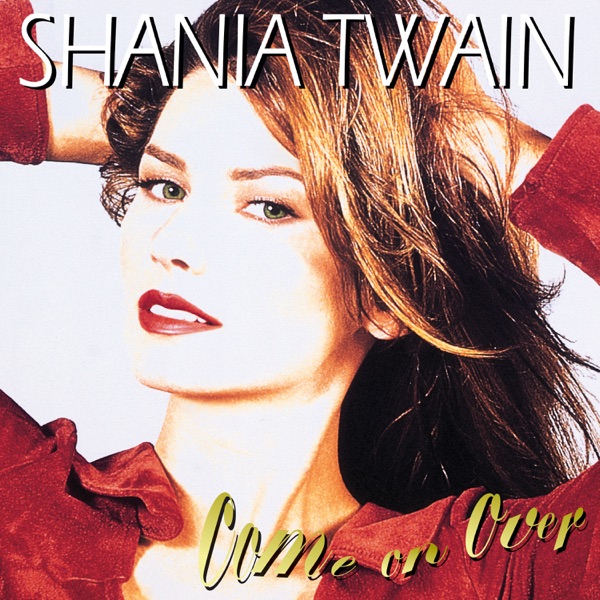
Shania Twain · Come On Over
A witty, good-humored jab at vanity that still stays pretty surface-level itself.
Where the words land
Signal: Edifying, leaning worth weighing.
What do these signals mean?
- Edifying: Points the heart toward God, truth, hope, or love.
- Worth Weighing: Real good and real concern together. Test it before you take it in.
- Strained: Strains against Scripture: leans toward what could dull or mislead.
- At Odds: At odds with Scripture: celebrates what it warns against. Little here builds up.
Weighed against Scripture
“You think you're a genius, you drive me up the wall”
“Do you see a man who is wise in his own eyes? There is more hope for a fool than for him.”
The song mocks someone 'wise in his own eyes,' echoing Proverbs' warning that self-assessed brilliance is often foolishness in disguise.
“Oh-oh, you think you're special”
“Do nothing out of selfish ambition or empty pride, but in humility consider others more important than yourselves.”
Where Paul calls believers to count others more significant than themselves, the song's subject is consumed with his own image.
“But that won't keep me warm in the middle of the night”
But the LORD said to Samuel, “Do not consider his appearance or height, for I have rejected him; the LORD does not see as man does. For man sees the outward appearance, but the LORD sees the heart.”
The singer's insistence on looking past looks and bravado to something real echoes the reminder that God (and here, the heart) looks deeper than outward appearance.
The song as a whole
“Charm is deceptive and beauty is fleeting, but a woman who fears the LORD is to be praised.”
The song's overall refrain that charm and looks fade in value compared to real connection lines up loosely with this proverb's point about fleeting outward appeal.
In short
This is a breezy, confident pop song about seeing through surface-level charm, whether it's brains, looks, or a shiny car. It's more comic than profound, poking fun at vanity rather than offering any real spiritual reflection. The heart of it is healthy in a human sense: valuing real connection over flash, even if it never reaches beyond that.
- Spiritual posture
Lighthearted and self-assured, valuing substance over superficial charm, but not reaching toward anything deeper than romantic pride.
- Apparent intent
A fun, tongue-in-cheek send-up of shallow men who rely on looks, brains, or possessions to impress; meant to entertain, not instruct.
What do these ratings mean?
- Lyrical content, what the words say on the surface. Clean: nothing coarse, sexual or violent. Mild: a trace of it, by allusion or a rare word. Strong: profanity, sex or violence in plain words. Explicit: graphic, or sin held up to admire.
- Spiritual posture, where the song's heart points. God-honoring: toward God, truth or hope. Searching: honestly reaching or wrestling toward truth, without arriving. Neutral: spiritually indifferent; neither reaches nor rejects. Dark: despairing, nihilistic, self-exalting or hostile to God.
- Apparent intent, what the song is for. Edifying: worship, encouragement, honest lament. Cathartic: letting grief, anger or longing out, told honestly. Ambiguous: hard to say what the song is for. Harmful: celebrates evil, mocks faith or draws toward sin.
Does this song's confidence come from genuine self-respect, or just from measuring itself against someone else's vanity?
An AI-assisted reading. It can misread a lyric, a metaphor or a song’s intent.