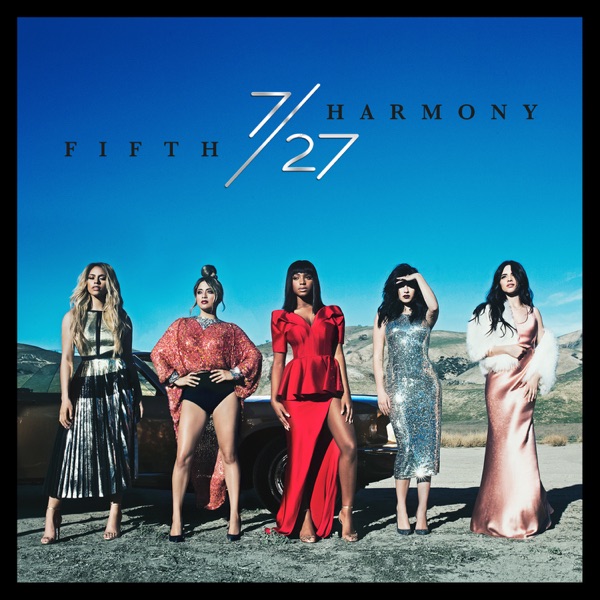
That's My Girl
Fifth Harmony · 7/27 (Deluxe)
Genuine encouragement to rise, but strength comes only from self
Where the words land
Signal: Worth Weighing, leaning edifying.
What do these signals mean?
- Edifying: Points the heart toward God, truth, hope, or love.
- Worth Weighing: Real good and real concern together. Test it before you take it in.
- Strained: Strains against Scripture: leans toward what could dull or mislead.
- At Odds: At odds with Scripture: celebrates what it warns against. Little here builds up.
Weighed against Scripture
The song as a whole
“The righteous cry out, and the LORD hears; He delivers them from all their troubles. The LORD is near to the brokenhearted; He saves the contrite in spirit.”
The song's call to rise after being hurt echoes the Psalmist's picture of God lifting the brokenhearted, though here the rising is framed as entirely self-generated.
“Good girls better get bad”
“Strength and honor are her clothing, and she can laugh at the days to come. She opens her mouth with wisdom, and faithful instruction is on her tongue.”
Proverbs roots a woman's strength and dignity in wisdom and the fear of the Lord, while the song locates worth in toughness and independence alone.
“Get mad independent and don't you ever forget it”
“Rest in God alone, O my soul, for my hope comes from Him. He alone is my rock and my salvation; He is my fortress; I will not be shaken. My salvation and my honor rest on God, my strong rock; my refuge is in God. Trust in Him at all times, O people; pour out your hearts before Him. God is our refuge. Selah”
Where the song anchors identity in self-sufficiency, the Psalm points to resting one's hope and refuge in God rather than in one's own strength.
This is a straightforward pump-up anthem for someone recovering from a bad relationship or rough patch. It's warm and well-intentioned, encouraging resilience and self-worth, but the solution it offers is entirely self-generated: get mad, get independent, get up on your own. There's real comfort here, just not any pointing beyond the self.
No profanity or explicit content; upbeat, empowerment-anthem language throughout.
Centers entirely on self-reliance and personal worth, with no reaching toward God; not hostile, just indifferent to anything beyond self.
Clearly meant to encourage women who've been hurt to get back up and value themselves; sincere pep-talk energy, not malicious.
Does this song's call to get back up leave room for a strength beyond your own, or does it quietly teach you that you're the only one who can lift you?
An AI-assisted reading. It can misread a lyric, a metaphor or a song’s intent.


