The Hills
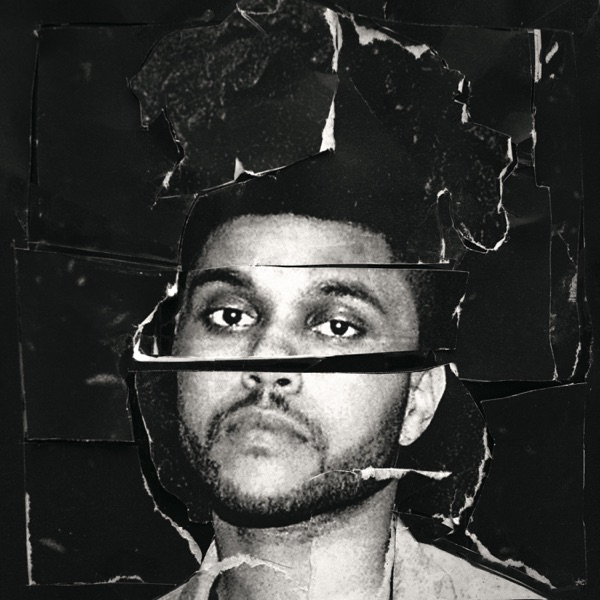
The Weeknd · Beauty Behind the Madness
Self-destruction dressed up as the realest version of yourself.
Where the words land
Signal: At Odds.
What do these signals mean?
- Edifying: Points the heart toward God, truth, hope, or love.
- Worth Weighing: Real good and real concern together. Test it before you take it in.
- Strained: Strains against Scripture: leans toward what could dull or mislead.
- At Odds: At odds with Scripture: celebrates what it warns against. Little here builds up.
Weighed against Scripture
“When I'm f**ked up, that's the real me”
“Do not get drunk on wine, which leads to reckless indiscretion. Instead, be filled with the Spirit.”
The song claims intoxication reveals the 'real' self, while Scripture warns that being controlled by substances leads away from clarity, not toward truth.
“Keep our business on the low-low”
“Have no fellowship with the fruitless deeds of darkness, but rather expose them. For it is shameful even to mention what the disobedient do in secret.”
Secrecy here protects sin rather than exposing it to light; the song treats concealment as romantic rather than corrosive.
“Who are you to judge? Who are you to judge?”
“Do not be deceived: God is not to be mocked. Whatever a man sows, he will reap in return. The one who sows to please his flesh, from the flesh will reap destruction; but the one who sows to please the Spirit, from the Spirit will reap eternal life.”
The deflection of judgment doesn't erase the consequences of sowing to self-indulgence that the song otherwise celebrates.
The song as a whole
“Wine is a mocker, strong drink is a brawler, and whoever is led astray by them is not wise.”
The song's casual, even boastful relationship with drugs and recklessness stands opposite to this warning about the deception of intoxication.
In short
This song glamorizes secrecy, casual sex, and drug use as if being wrecked is the most honest version of the narrator. There's no turn toward regret or hope here; the deception and self-indulgence are presented as the point, not a problem. It's a mood piece built entirely around unchecked appetite.
- Lyrical content
Explicit sexual references, drug use, profanity throughout, with secretive infidelity as the backdrop.
- Spiritual posture
The song revels in self-destruction and deception as identity, naming intoxication as 'the real me' with no hint of conflict about it.
- Apparent intent
Presented as a glamorized confession of using someone for secretive, drug-fueled sex, with no remorse or reaching for anything better.
What do these ratings mean?
- Lyrical content, what the words say on the surface. Clean: nothing coarse, sexual or violent. Mild: a trace of it, by allusion or a rare word. Strong: profanity, sex or violence in plain words. Explicit: graphic, or sin held up to admire.
- Spiritual posture, where the song's heart points. God-honoring: toward God, truth or hope. Searching: honestly reaching or wrestling toward truth, without arriving. Neutral: spiritually indifferent; neither reaches nor rejects. Dark: despairing, nihilistic, self-exalting or hostile to God.
- Apparent intent, what the song is for. Edifying: worship, encouragement, honest lament. Cathartic: letting grief, anger or longing out, told honestly. Ambiguous: hard to say what the song is for. Harmful: celebrates evil, mocks faith or draws toward sin.
Does this song's picture of 'the real me' line up with who you actually want to become?
An AI-assisted reading. It can misread a lyric, a metaphor or a song’s intent.