The House That Built Me
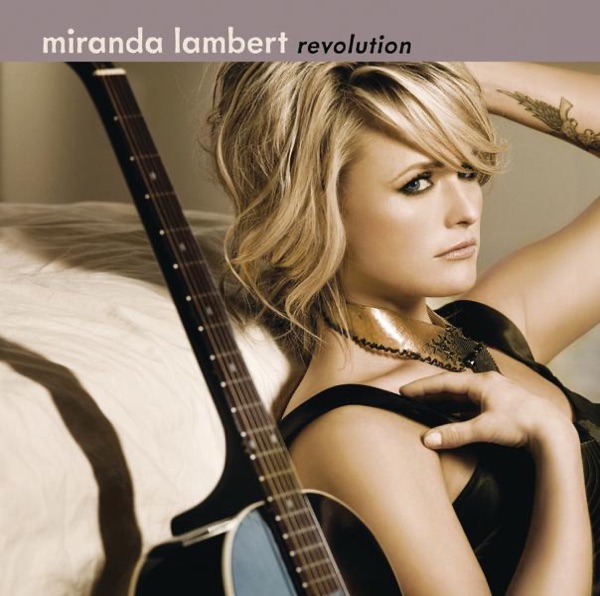
Miranda Lambert · Revolution
A tender search for identity through the memory of home.
Where the words land
Signal: Edifying.
What do these signals mean?
- Edifying: Points the heart toward God, truth, hope, or love.
- Worth Weighing: Real good and real concern together. Test it before you take it in.
- Strained: Strains against Scripture: leans toward what could dull or mislead.
- At Odds: At odds with Scripture: celebrates what it warns against. Little here builds up.
Weighed against Scripture
“This brokenness inside me might start healing”
“He heals the brokenhearted and binds up their wounds.”
The singer's hope that touching home might mend her brokenness echoes the deep human longing for a healer who binds up wounds.
“Won't take nothin' but a memory”
“To everything there is a season, and a time for every purpose under heaven:”
Her gentle acceptance that this season of life has passed reflects the wisdom that there is a time for every purpose, including letting go.
The song as a whole
“Finally he came to his senses and said, ‘How many of my father’s hired servants have plenty of food, but here I am, starving to death!”
Like the prodigal son 'coming to himself,' she recognizes she has drifted from her true identity and seeks to recover it.
“Lord, You have been our dwelling place through all generations.”
The song seeks dwelling and identity in a physical house, where Scripture points to God himself as the true dwelling place across generations.
Words of Christ are set in red.
In short
This is a tender, nostalgic song about searching for identity and healing by returning to a childhood home. The brokenness she names is real, but the song doesn't wallow; it reaches toward memory, gratitude, and self-understanding rather than despair. It's less about theology and more about the universal ache to remember who we were before life got complicated.
- Spiritual posture
An honest ache for wholeness and identity, reaching toward healing without claiming to have found it yet.
- Apparent intent
A narrative song processing loss of self and longing for rootedness; sincere, not preachy or self-indulgent.
What do these ratings mean?
- Lyrical content, what the words say on the surface. Clean: nothing coarse, sexual or violent. Mild: a trace of it, by allusion or a rare word. Strong: profanity, sex or violence in plain words. Explicit: graphic, or sin held up to admire.
- Spiritual posture, where the song's heart points. God-honoring: toward God, truth or hope. Searching: honestly reaching or wrestling toward truth, without arriving. Neutral: spiritually indifferent; neither reaches nor rejects. Dark: despairing, nihilistic, self-exalting or hostile to God.
- Apparent intent, what the song is for. Edifying: worship, encouragement, honest lament. Cathartic: letting grief, anger or longing out, told honestly. Ambiguous: hard to say what the song is for. Harmful: celebrates evil, mocks faith or draws toward sin.
What 'house' or memory do you return to when you need to remember who you are, and where does that longing ultimately point?
An AI-assisted reading. It can misread a lyric, a metaphor or a song’s intent.


