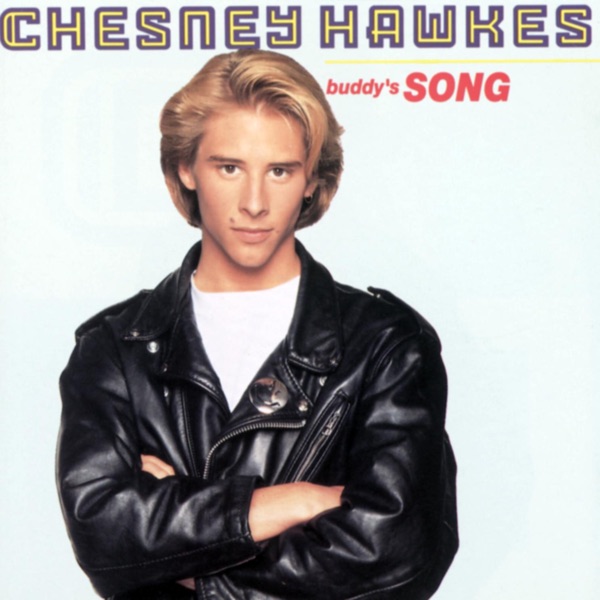
The One and Only
Chesney Hawkes · Buddy's Song
A clean anthem of self-assertion that never looks beyond itself.
Where the words land
Signal: Worth Weighing, leaning edifying.
What do these signals mean?
- Edifying: Points the heart toward God, truth, hope, or love.
- Worth Weighing: Real good and real concern together. Test it before you take it in.
- Strained: Strains against Scripture: leans toward what could dull or mislead.
- At Odds: At odds with Scripture: celebrates what it warns against. Little here builds up.
Weighed against Scripture
“Do not be conformed to this world, but be transformed by the renewing of your mind. Then you will be able to test and approve what is the good, pleasing, and perfect will of God.”
The song frames resisting outside influence as self-assertion, while Scripture calls for transformation through renewing the mind in God, not mere self-reliance.
“There are different gifts, but the same Spirit. There are different ministries, but the same Lord. There are different ways of working, but the same God works all things in all people. Now to each one the manifestation of the Spirit is given for the common good.”
The song centers identity on self-sufficiency, while Scripture locates uniqueness and gifting within a body under God, not as a solo claim to being 'the best.'
“For You formed my inmost being; You knit me together in my mother’s womb. I praise You, for I am fearfully and wonderfully made. Marvelous are Your works, and I know this very well.”
The song's celebration of being uniquely made touches something true, that each person is fearfully and wonderfully made, though it stops short of crediting the Maker.
In short
This is a straightforward pop anthem about individuality and self-confidence, resisting pressure to conform. It has no overtly negative content, but its focus stays entirely on self-reliance rather than anything transcendent. There's a kernel of truth in celebrating being uniquely made, but the song credits no one but the self for that uniqueness.
- Spiritual posture
The song is focused on self-affirmation and resisting conformity, not reaching toward or away from God; it's spiritually indifferent rather than hostile.
- Apparent intent
Written as an anthem of personal identity and confidence; encouraging in a worldly sense but not aimed at any deeper truth beyond self-assertion.
What do these ratings mean?
- Lyrical content, what the words say on the surface. Clean: nothing coarse, sexual or violent. Mild: a trace of it, by allusion or a rare word. Strong: profanity, sex or violence in plain words. Explicit: graphic, or sin held up to admire.
- Spiritual posture, where the song's heart points. God-honoring: toward God, truth or hope. Searching: honestly reaching or wrestling toward truth, without arriving. Neutral: spiritually indifferent; neither reaches nor rejects. Dark: despairing, nihilistic, self-exalting or hostile to God.
- Apparent intent, what the song is for. Edifying: worship, encouragement, honest lament. Cathartic: letting grief, anger or longing out, told honestly. Ambiguous: hard to say what the song is for. Harmful: celebrates evil, mocks faith or draws toward sin.
Does this song's call to be yourself point you toward gratitude for how you were made, or toward relying only on yourself?
An AI-assisted reading. It can misread a lyric, a metaphor or a song’s intent.


