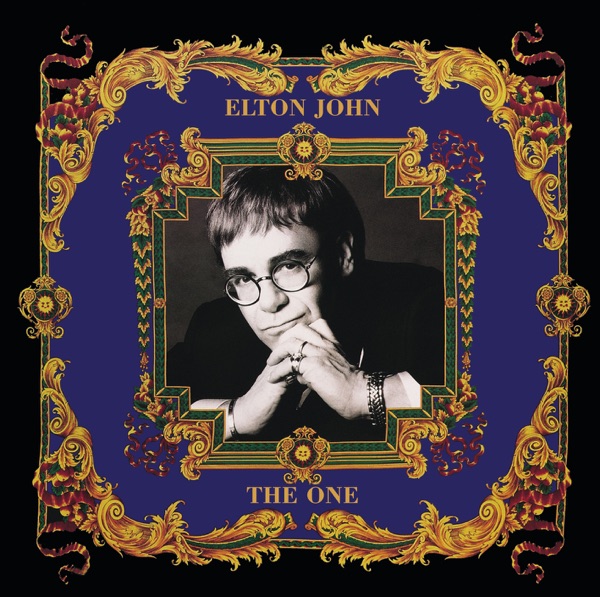
The One
Elton John · The One
A beautiful love song that asks romance to carry weight only God can bear.
Where the words land
Signal: Worth Weighing, leaning edifying.
What do these signals mean?
- Edifying: Points the heart toward God, truth, hope, or love.
- Worth Weighing: Real good and real concern together. Test it before you take it in.
- Strained: Strains against Scripture: leans toward what could dull or mislead.
- At Odds: At odds with Scripture: celebrates what it warns against. Little here builds up.
Weighed against Scripture
“For each man in his time is Cain”
But Cain said to the LORD, “My punishment is greater than I can bear. Behold, this day You have driven me from the face of the earth, and from Your face I will be hidden; I will be a fugitive and a wanderer on the earth, and whoever finds me will kill me.” “Not so!” replied the LORD. “If anyone slays Cain, then Cain will be avenged sevenfold.” And the LORD placed a mark on Cain, so that no one who found him would kill him. So Cain went out from the presence of the LORD and settled in the land of Nod, east of Eden.
The lyric borrows Cain's image of restless wandering and guilt, picturing every man as searching for a way back from exile.
“All I ever needed was the one”
“Two are better than one, because they have a good return for their labor. For if one falls down, his companion can lift him up; but pity the one who falls without another to help him up!”
Companionship as strength and completion is a real biblical good, celebrated here as the song's central hope.
The song as a whole
“As the deer pants for streams of water, so my soul longs after You, O God. My soul thirsts for God, the living God. When shall I come and appear in God’s presence?”
The deep thirst and longing for restoration mirrors the psalmist's soul panting for God, though here it's redirected toward a human beloved.
“For My people have committed two evils: They have forsaken Me, the fountain of living water, and they have dug their own cisterns — broken cisterns that cannot hold water.
The song places ultimate fulfillment and identity in a romantic partner rather than in God, the deeper spring the heart's thirst actually points toward.
In short
This is a lush, sincere love song that borrows spiritual language (Cain, water, fire, stars) to describe the intensity of romantic devotion. It treats finding 'the one' as the resolution to restlessness and brokenness, which is a deeply human longing, but one the song never looks beyond. There's real beauty and tenderness here, not corrosion, just a love song reaching higher than love alone can hold.
- Lyrical content
Poetic, romantic imagery with fleeting references to drunken nights and uneasy sex, but no explicit language.
- Spiritual posture
The song reaches for transcendence through romantic love, using near-biblical imagery of Cain and redemption to describe finding wholeness in another person.
- Apparent intent
John and Bernie Taupin craft a sweeping love ballad that treats devotion to a partner as the resolution to restlessness and wandering.
What do these ratings mean?
- Lyrical content, what the words say on the surface. Clean: nothing coarse, sexual or violent. Mild: a trace of it, by allusion or a rare word. Strong: profanity, sex or violence in plain words. Explicit: graphic, or sin held up to admire.
- Spiritual posture, where the song's heart points. God-honoring: toward God, truth or hope. Searching: honestly reaching or wrestling toward truth, without arriving. Neutral: spiritually indifferent; neither reaches nor rejects. Dark: despairing, nihilistic, self-exalting or hostile to God.
- Apparent intent, what the song is for. Edifying: worship, encouragement, honest lament. Cathartic: letting grief, anger or longing out, told honestly. Ambiguous: hard to say what the song is for. Harmful: celebrates evil, mocks faith or draws toward sin.
Does this song's picture of being completed by another person point you toward gratitude for love, or toward mistaking it for your deepest need?
An AI-assisted reading. It can misread a lyric, a metaphor or a song’s intent.


