The Promise of a New Day
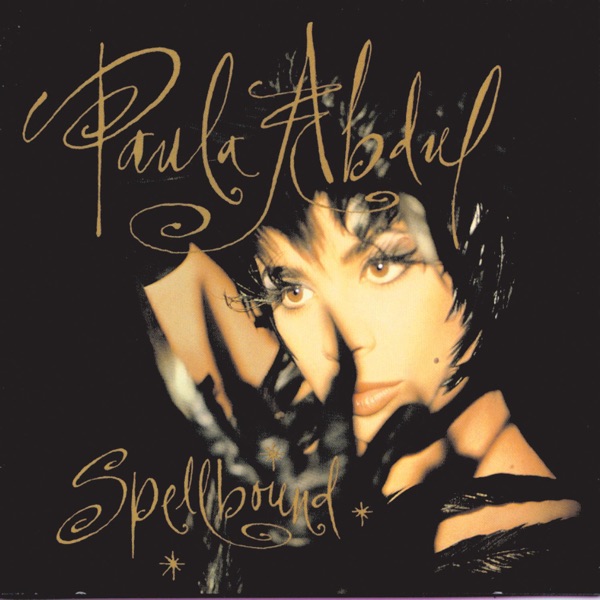
Paula Abdul · Spellbound
Hopeful anthem that reaches for renewal but stops at human effort.
Where the words land
Signal: Worth Weighing, leaning edifying.
What do these signals mean?
- Edifying: Points the heart toward God, truth, hope, or love.
- Worth Weighing: Real good and real concern together. Test it before you take it in.
- Strained: Strains against Scripture: leans toward what could dull or mislead.
- At Odds: At odds with Scripture: celebrates what it warns against. Little here builds up.
Weighed against Scripture
“What will change the world? No one knows”
“Many plans are in a man’s heart, but the purpose of the LORD will prevail.”
The song admits uncertainty about what shapes the future, while Scripture locates that certainty in God's purposes rather than leaving it open.
“the only promise is a day to live, to give”
Come now, you who say, “Today or tomorrow we will go to this or that city, spend a year there, carry on business, and make a profit.” You do not even know what will happen tomorrow! What is your life? You are a mist that appears for a little while and then vanishes. Instead, you ought to say, “If the Lord is willing, we will live and do this or that.”
Both recognize the fragility and immediacy of a single day, though the song stops short of naming the Lord's will as the true anchor.
“One step closer to make love complete”
“And we have come to know and believe the love that God has for us. God is love; whoever abides in love abides in God, and God in him.”
The yearning for love to be whole and complete finds its deepest answer in God, who is love itself.
The song as a whole
“Because of the loving devotion of the LORD we are not consumed, for His mercies never fail. They are new every morning; great is Your faithfulness!”
The song's hope in a 'new day' faintly echoes the daily mercies of God, though it credits human will rather than divine faithfulness.
In short
This is a bright, hopeful pop song about believing tomorrow can be better through collective human effort and love. It wrestles honestly with uncertainty ('no one knows') but never points beyond humanity itself for the source of that hope. It's optimistic and well-meaning, but the hope stays horizontal.
- Spiritual posture
The song reaches for hope and renewal but locates the answer in human effort and togetherness, not in God.
- Apparent intent
An anthem of optimism meant to inspire listeners to believe things can get better through unity and self-determination.
What do these ratings mean?
- Lyrical content, what the words say on the surface. Clean: nothing coarse, sexual or violent. Mild: a trace of it, by allusion or a rare word. Strong: profanity, sex or violence in plain words. Explicit: graphic, or sin held up to admire.
- Spiritual posture, where the song's heart points. God-honoring: toward God, truth or hope. Searching: honestly reaching or wrestling toward truth, without arriving. Neutral: spiritually indifferent; neither reaches nor rejects. Dark: despairing, nihilistic, self-exalting or hostile to God.
- Apparent intent, what the song is for. Edifying: worship, encouragement, honest lament. Cathartic: letting grief, anger or longing out, told honestly. Ambiguous: hard to say what the song is for. Harmful: celebrates evil, mocks faith or draws toward sin.
Where do you place your ultimate hope for change: in human goodwill, or in something steadier?
An AI-assisted reading. It can misread a lyric, a metaphor or a song’s intent.



