This Used to Be My Playground
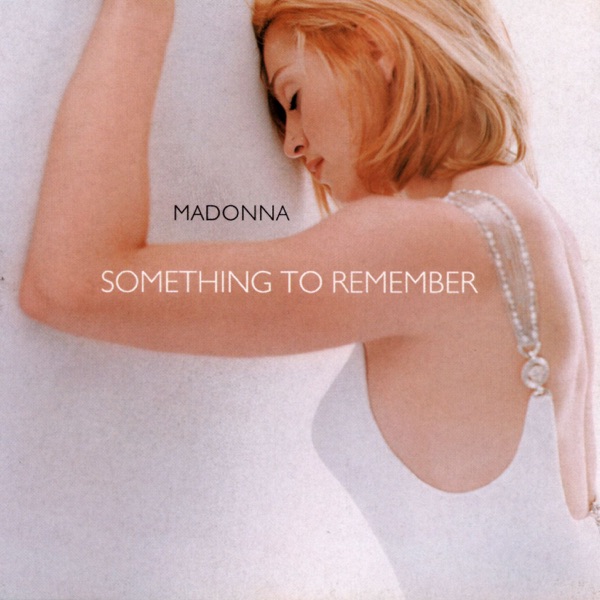
Madonna · Something to Remember
A wistful, honest ache over lost innocence that still reaches for hope.
Where the words land
Signal: Edifying.
What do these signals mean?
- Edifying: Points the heart toward God, truth, hope, or love.
- Worth Weighing: Real good and real concern together. Test it before you take it in.
- Strained: Strains against Scripture: leans toward what could dull or mislead.
- At Odds: At odds with Scripture: celebrates what it warns against. Little here builds up.
Weighed against Scripture
“Why did it have to end”
“To everything there is a season, and a time for every purpose under heaven: a time to be born and a time to die, a time to plant and a time to uproot, a time to kill and a time to heal, a time to break down and a time to build, a time to weep and a time to laugh, a time to mourn and a time to dance,”
The song's grief over endings mirrors the Preacher's acknowledgment that every season, including joyful ones, has its appointed close.
“Don't hold on to the past”
“Brothers, I do not consider myself yet to have taken hold of it. But one thing I do: Forgetting what is behind and straining toward what is ahead, I press on toward the goal to win the prize of God’s heavenly calling in Christ Jesus.”
Paul counsels forgetting what lies behind to press forward, while the singer admits she cannot let go, a real human tension rather than rebellion.
“I wish that you were here with me”
“As the deer pants for streams of water, so my soul longs after You, O God. My soul thirsts for God, the living God. When shall I come and appear in God’s presence?”
Like the psalmist's longing for God's presence, the song voices deep longing for a lost closeness, a universal ache for what once felt secure.
“You're not just a memory”
“Brothers, we do not want you to be uninformed about those who sleep in death, so that you will not grieve like the rest, who are without hope.”
The insistence that a loved one remains more than memory resonates with the hope that love and relationship are not simply erased by time or loss.
In short
This is a tender meditation on the loss of childhood innocence and friendship, written for 'A League of Their Own.' It doesn't resolve its longing into either despair or trite comfort, it simply sits with the ache of things that end. The reaching toward connection and hope ('then there's hope yet') keeps it from tipping into hopelessness.
- Spiritual posture
The song aches over lost innocence and absent friendship, reaching for connection rather than resolving it.
- Apparent intent
Written for a film about childhood's end, it processes grief over change and loss honestly, without despair or cynicism.
What do these ratings mean?
- Lyrical content, what the words say on the surface. Clean: nothing coarse, sexual or violent. Mild: a trace of it, by allusion or a rare word. Strong: profanity, sex or violence in plain words. Explicit: graphic, or sin held up to admire.
- Spiritual posture, where the song's heart points. God-honoring: toward God, truth or hope. Searching: honestly reaching or wrestling toward truth, without arriving. Neutral: spiritually indifferent; neither reaches nor rejects. Dark: despairing, nihilistic, self-exalting or hostile to God.
- Apparent intent, what the song is for. Edifying: worship, encouragement, honest lament. Cathartic: letting grief, anger or longing out, told honestly. Ambiguous: hard to say what the song is for. Harmful: celebrates evil, mocks faith or draws toward sin.
Does dwelling on what's been lost help you grieve well, or does it keep you from embracing what's ahead?
An AI-assisted reading. It can misread a lyric, a metaphor or a song’s intent.


