Thought I'd Died and Gone to Heaven
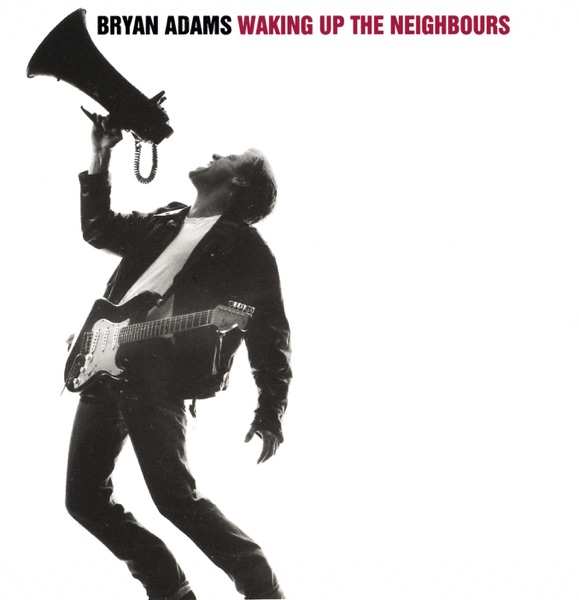
Bryan Adams · Waking Up the Neighbours
Borrows heaven's language to describe a love that's purely earthly.
Where the words land
Signal: Edifying, leaning worth weighing.
What do these signals mean?
- Edifying: Points the heart toward God, truth, hope, or love.
- Worth Weighing: Real good and real concern together. Test it before you take it in.
- Strained: Strains against Scripture: leans toward what could dull or mislead.
- At Odds: At odds with Scripture: celebrates what it warns against. Little here builds up.
Weighed against Scripture
“I believed - there's no heaven”
“Enjoy life with your beloved wife all the days of the fleeting life that God has given you under the sun — all your fleeting days. For this is your portion in life and in your labor under the sun.”
Scripture also commends enjoying love with one's companion as a gift in a fleeting life, even while using far more sober language than this song's claim of disbelief turned belief.
“Never loved - I swear to God”
“You shall not take the name of the LORD your God in vain, for the LORD will not leave anyone unpunished who takes His name in vain.”
The casual invocation of God's name as a throwaway intensifier is exactly the kind of empty use this command warns against, even in a secular love song.
“I feel fast asleep - I feel drunk”
“Sustain me with raisins; refresh me with apples, for I am faint with love.”
The Bible's own love poetry uses similarly intoxicated, lovesick imagery to describe romantic longing, showing this kind of passion isn't foreign to Scripture.
The song as a whole
“Love is patient, love is kind. It does not envy, it does not boast, it is not proud. It is not rude, it is not self-seeking, it is not easily angered, it keeps no account of wrongs. Love takes no pleasure in evil, but rejoices in the truth. It bears all things, believes all things, hopes all things, endures all things.”
Where Paul describes love as patient, selfless, and enduring, this song's love is mostly about the euphoric feeling it produces, not yet a love tested or proven.
In short
This is a straightforward 80s rock love song dressed up in borrowed heaven-and-salvation imagery to describe the intensity of new romance. There's no real theology here, just a guy using the biggest words he knows (heaven, God, dying and rising) to capture how overwhelming this love feels. It's harmless escapism, light on substance but not harmful in intent.
- Lyrical content
Romantic and sensual love-song language throughout, nothing crude or explicit, just heated infatuation and implied intimacy.
- Spiritual posture
Borrows the language of heaven and salvation to describe romantic ecstasy, but it's metaphor, not a real spiritual claim; the song's gaze stays fixed on the relationship itself.
- Apparent intent
A straightforward celebration of falling hard for someone, written to capture the dizzy high of new love rather than to make any statement about faith.
What do these ratings mean?
- Lyrical content, what the words say on the surface. Clean: nothing coarse, sexual or violent. Mild: a trace of it, by allusion or a rare word. Strong: profanity, sex or violence in plain words. Explicit: graphic, or sin held up to admire.
- Spiritual posture, where the song's heart points. God-honoring: toward God, truth or hope. Searching: honestly reaching or wrestling toward truth, without arriving. Neutral: spiritually indifferent; neither reaches nor rejects. Dark: despairing, nihilistic, self-exalting or hostile to God.
- Apparent intent, what the song is for. Edifying: worship, encouragement, honest lament. Cathartic: letting grief, anger or longing out, told honestly. Ambiguous: hard to say what the song is for. Harmful: celebrates evil, mocks faith or draws toward sin.
Does the thrill this song celebrates point toward anything lasting, or just toward the feeling itself?
An AI-assisted reading. It can misread a lyric, a metaphor or a song’s intent.


