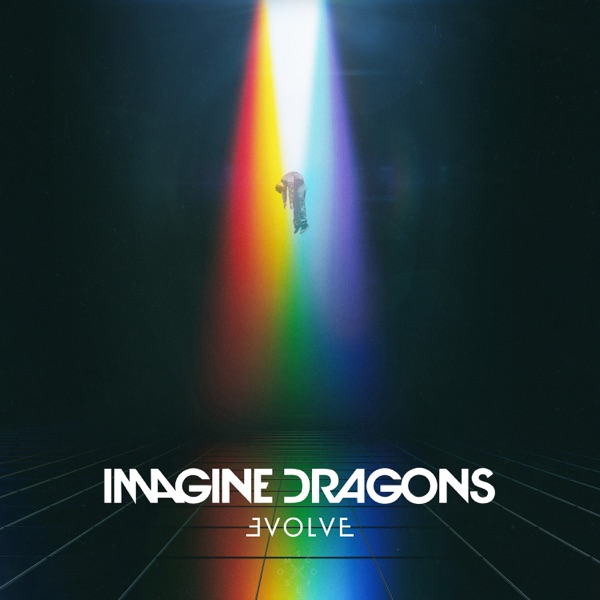
Thunder
Imagine Dragons · Evolve
A feel-good revenge-of-the-underdog anthem with no spiritual reach either way.
Where the words land
Signal: Worth Weighing, leaning edifying.
What do these signals mean?
- Edifying: Points the heart toward God, truth, hope, or love.
- Worth Weighing: Real good and real concern together. Test it before you take it in.
- Strained: Strains against Scripture: leans toward what could dull or mislead.
- At Odds: At odds with Scripture: celebrates what it warns against. Little here builds up.
Weighed against Scripture
“Not a "Yes sir", not a follower”
“Do not be conformed to this world, but be transformed by the renewing of your mind. Then you will be able to test and approve what is the good, pleasing, and perfect will of God.”
The song prizes refusing to conform as a badge of identity, while Scripture frames nonconformity as being transformed toward God's will, not merely self-assertion.
“Who do you think you are?”
“For You formed my inmost being; You knit me together in my mother’s womb. I praise You, for I am fearfully and wonderfully made. Marvelous are Your works, and I know this very well.”
The taunters' question is answered here not with 'I built myself' but with being fearfully and wonderfully made by God, a different foundation for identity.
“Now I'm smiling from the stage while”
“Pride goes before destruction, and a haughty spirit before a fall.”
The triumphant turning of the tables risks the posture pride warns against, even if the song's intent is more celebratory than boastful.
The song as a whole
“Anything my eyes desired, I did not deny myself. I refused my heart no pleasure. For my heart took delight in all my work, and this was the reward for all my labor. Yet when I considered all the works that my hands had accomplished and what I had toiled to achieve, I found everything to be futile, a pursuit of the wind; there was nothing to be gained under the sun.”
The song's whole arc finds meaning in achieved status and vindication, the very pursuit Ecclesiastes names as ultimately unsatisfying.
In short
This is a scrappy underdog anthem: a kid mocked for his dreams becomes the star who proves everyone wrong. It's energetic and relatable, but its center of gravity is entirely self-made triumph rather than anything transcendent. There's nothing dark here, just a narrow focus on vindication and personal glory.
- Spiritual posture
The song centers on self-reliance and proving doubters wrong rather than any reaching toward or away from God.
- Apparent intent
Clearly meant as an underdog-to-star narrative, turning childhood mockery into triumphant self-assertion.
What do these ratings mean?
- Lyrical content, what the words say on the surface. Clean: nothing coarse, sexual or violent. Mild: a trace of it, by allusion or a rare word. Strong: profanity, sex or violence in plain words. Explicit: graphic, or sin held up to admire.
- Spiritual posture, where the song's heart points. God-honoring: toward God, truth or hope. Searching: honestly reaching or wrestling toward truth, without arriving. Neutral: spiritually indifferent; neither reaches nor rejects. Dark: despairing, nihilistic, self-exalting or hostile to God.
- Apparent intent, what the song is for. Edifying: worship, encouragement, honest lament. Cathartic: letting grief, anger or longing out, told honestly. Ambiguous: hard to say what the song is for. Harmful: celebrates evil, mocks faith or draws toward sin.
Does this song's picture of success as the best answer to doubters line up with where you'd actually point someone for their worth?
An AI-assisted reading. It can misread a lyric, a metaphor or a song’s intent.